

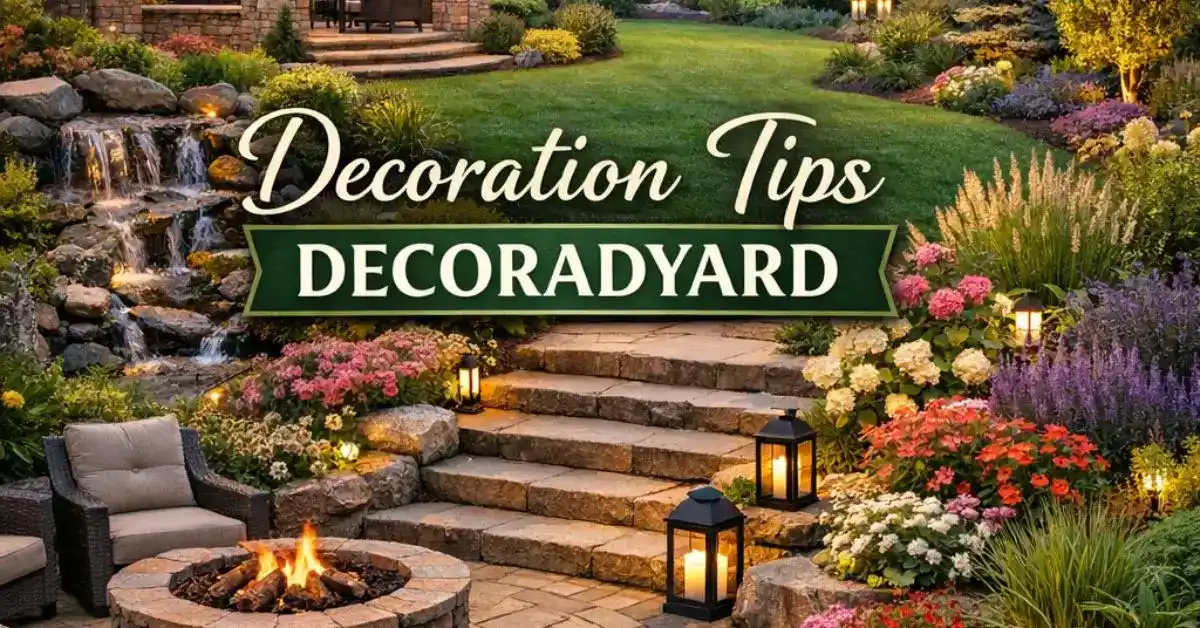
Decoration Tips DecoraDyard
Most people know their home and yard could look better. The gap between where things are and where they could be is usually not about money or access to good materials. It is about knowing which changes make a genuine visual difference and which ones look appealing in photos but fall flat in real spaces.
Decoration decisions made without a clear framework tend to produce rooms that feel busy without purpose or yards that have individual elements that do not connect into a cohesive look. The result is spending time and money without feeling satisfied with the outcome.
This guide covers practical decoration tips decoradyard style for both indoor living spaces and outdoor yards. What works, what to prioritize, how much to realistically spend, and what mistakes consistently undermine otherwise solid decoration efforts.
What Are Decoration Tips DecoraDyard?
Decoration tips decoradyard refers to practical home and yard decoration guidance that covers both interior spaces and outdoor areas as connected environments rather than separate projects. This approach recognizes that a home’s overall visual appeal depends on how indoor living spaces and outdoor yard areas work together to create a cohesive, welcoming environment. Good decoration at this level considers color, texture, scale, lighting, and plant selection across every space where a homeowner wants to improve the look and feel of their property.
Quick Summary
Decoration tips for home and yard spaces work best when treated as a connected project. This guide covers practical tips for living rooms, bedrooms, kitchens, outdoor patios, and garden areas with honest budget context and specific advice on what makes the biggest visual impact for the least effort and cost.
The Foundation: Why Decoration Fails Without a Clear Direction
Decoration mistakes almost always come down to one of two problems. Either there is no visual direction, so individual pieces are chosen in isolation without considering how they work together, or there is too much visual direction, with every surface decorated so heavily that nothing stands out and everything competes for attention.
Good decoration is about intentional editing. Deciding what to include and deciding what to leave out are equally important skills. A room with twelve carefully chosen elements that work together looks significantly better than a room with forty elements chosen individually.
The same principle applies to yard decoration. A backyard patio with consistent furniture, two or three well-placed planters, and thoughtful lighting looks cohesive and intentional. The same space with mismatched furniture, dozens of garden ornaments, and no consistent color palette looks cluttered regardless of how many individual pieces are attractive.
Decoration tips decoradyard principles consistently emphasize starting with a clear visual direction before purchasing any individual piece.
Indoor Decoration Tips That Make Real Difference
Living Room
The living room is where most decoration decisions have the highest visibility and the most significant effect on how the whole home feels to visitors and residents.
Anchor the room with a quality area rug. A rug sized appropriately for the seating arrangement, large enough that the front legs of all major furniture pieces sit on it, makes the room feel intentional and complete in a way that floating furniture on bare floor cannot achieve. For a standard US living room, a 8×10 or 9×12 rug works for most configurations.
Layer lighting. A single overhead light makes every room feel flat regardless of how well it is decorated. Adding a floor lamp, table lamps, and warm bulbs transforms the atmosphere of the same space in the evening. This is one of the highest return decoration investments available.
Create one focal point. Every well-decorated room has a visual anchor, whether that is a fireplace, a gallery wall, a statement sofa, or a large piece of artwork. Trying to create multiple focal points divides attention and makes rooms feel unfocused.
Use odd numbers for groupings. Decorative objects grouped in threes or fives consistently look more natural and intentional than pairs or even-numbered groups. This applies to throw pillows, candles, books, plants, and most other decorative objects.
Bedroom
The bedroom is where decoration directly affects how the space feels to the person who sleeps and wakes up in it every day. Comfort and visual calm are the primary goals.
Invest in quality bedding. High-thread-count cotton or linen bedding in white, cream, or warm neutral tones elevates the visual quality of a bedroom more than almost any other single change. Adding a textured throw at the foot of the bed completes the layered look that photographs well and feels luxurious.
Hang curtains high and wide. Curtains that hang from just above the window to just below the window look small and institutional. Curtains hung near the ceiling and extending four to six inches beyond the window frame on each side make rooms feel taller and windows feel larger. This costs nothing extra and makes an enormous visual difference.
Keep bedside surfaces edited. A lamp, a small plant or object, and whatever you actually use before sleep is all a bedside table needs. Cluttered bedside surfaces make even beautifully decorated bedrooms feel disorganized.
Kitchen and Dining Area
Kitchen decoration works best when it enhances the space without adding clutter to an area that is already functionally complex.
Use open shelving intentionally. A single run of open shelves above a counter can add warmth and display space if the items on them are curated carefully. Books, ceramics, plants, and functional kitchen items in consistent materials look intentional. Mismatched items in random quantities look like overflow storage.
Add a pendant light over the dining table. This single change transforms a dining area from a functional space to a destination. A pendant hung 30 to 36 inches above the table surface provides good light quality and visual presence without overwhelming the space.
Fresh herbs in simple pots. Grouping two or three herb pots on a kitchen windowsill is practical, decorative, and adds a lived-in quality that purely ornamental decoration cannot achieve. Basil, rosemary, and mint work well together visually and practically.
Yard and Outdoor Decoration Tips
Patio and Outdoor Living Areas
Outdoor living areas have become among the most valued spaces in US homes, and decoration tips decoradyard outdoor guidance consistently emphasizes treating the patio as an additional room rather than an afterthought.
Choose outdoor furniture with a consistent frame finish. Mixing black metal frames with natural wood with wicker creates visual noise that prevents the space from feeling cohesive. Choosing one frame material or finish for all major furniture pieces and using cushions to introduce color and texture produces a cleaner result.
Use string lights generously. Outdoor string lights are the single most transformative decoration tool for outdoor spaces. Strung overhead between anchor points, they create the same kind of layered evening atmosphere that indoor lighting layers provide inside. They are inexpensive, easy to install, and universally effective.
Define zones with outdoor rugs. An outdoor rug under the seating area performs the same function as an indoor area rug. It defines the space, makes it feel intentional, and adds texture and color at a relatively low cost. Outdoor rugs are weather-resistant and easy to replace seasonally.
Garden and Yard Areas
Garden decoration is where many homeowners feel least confident, but the principles are more straightforward than they appear.
Plant in groups rather than individually. A single plant placed somewhere in the yard looks isolated and accidental. The same plant variety grouped in threes or fives looks like a deliberate design decision. This applies to perennials, flowering shrubs, and ornamental grasses.
Use containers to create flexible focal points. Large containers with seasonal planting allow you to change the look of an outdoor space without permanent changes to the garden beds. A large ceramic pot with a small tree or dramatic annual planting creates a strong visual anchor on a patio or at an entry point.
Edge garden beds cleanly. The cleanliness of the edge between a garden bed and the lawn or pathway affects how well-maintained the entire yard looks. A clean, defined edge makes modest planting look professional. A ragged, unclear edge makes lush planting look unkempt.
Create a clear entry sequence. The path from the street or driveway to the front door sets the tone for the entire property. Good decoration tips decoradyard guidance for entries typically includes a clearly defined path, at least one planting element on each side, and either a visible light source or house numbers that are easy to read.
Decoration Budget Reality Check
| Space | Low Budget | Mid Budget | High Budget |
|---|---|---|---|
| Living Room | $200–$500 | $800–$2,000 | $3,000–$8,000 |
| Bedroom | $150–$400 | $500–$1,500 | $2,000–$5,000 |
| Kitchen/Dining | $100–$300 | $400–$1,200 | $2,000–$5,000 |
| Patio | $300–$700 | $1,000–$3,000 | $4,000–$10,000 |
| Garden/Yard | $200–$500 | $800–$2,500 | $3,000–$8,000 |
These are general US market estimates. The most important principle regardless of budget is spending on fewer, higher quality pieces rather than more lower quality ones.
Common Decoration Mistakes to Avoid
Buying furniture that is too small. The most common furniture mistake in US homes is choosing pieces that are too small for the space. A sofa that fits through the door easily but leaves the room feeling empty is not the right sofa for that room. Always measure before purchasing.
Over-matching everything. Rooms where every piece matches perfectly look staged rather than lived-in. Intentional variation in wood tones, fabric textures, and decorative styles creates the kind of layered quality that makes spaces feel genuinely comfortable.
Neglecting the ceiling. Ceilings are often called the fifth wall for good reason. A simple coat of white ceiling paint refreshed, a thoughtfully chosen light fixture, or even a subtle color on the ceiling changes how a room feels dramatically.
Decorating walls before floors. The most visually impactful changes in most rooms happen at floor and furniture level. Wall art and accessories should come after the foundational elements are established rather than before.
Conclusion
Good decoration is not about spending the most money or following the latest trends. It is about making deliberate choices that work together to create spaces that feel intentional, comfortable, and genuinely pleasant to spend time in.
Decoration tips decoradyard principles applied consistently across indoor rooms and outdoor yard spaces produce homes that look cohesive from every angle and feel like they reflect the people who live in them rather than a generic design template. Start with the foundational changes that have the highest visual impact, resist the urge to fill every surface, and add layers gradually as you develop a clearer sense of what the space needs.
That patient, intentional approach to decoration consistently produces better results than impulsive purchasing of individual attractive pieces that have no relationship to each other.
Frequently Asked Questions
What are the best decoration tips for a home on a budget?
Fresh paint in warm neutrals, correctly sized area rugs, layered lighting with warm bulbs, and curtains hung high and wide deliver the highest visual impact for the least cost. Focus on these four changes before buying any accessories.
How do I decorate my yard without spending much?
Edge garden beds cleanly, plant in groups of three or five, add string lights over seating areas, and use large containers at entry points. An outdoor rug under patio furniture adds definition for under $100.
What is the most important decoration tip for any room?
Choose one clear focal point first. Every well-decorated room has a visual anchor like a fireplace, artwork, or statement furniture piece. All other decoration should support it rather than compete with it.
How do I make my home look more expensive without spending much?
Hang curtains high and wide, use neutral quality bedding, add plants, replace outdated hardware, and clear visible surfaces. These low-cost changes shift how a home reads from basic to polished.
What colors work best for home decoration?
Warm neutrals like soft white, cream, greige, and light taupe work best as base colors. Avoid cool grays, which look flat in real life. Add deeper accent colors through textiles and accessories rather than wall paint.
What is the best way to decorate an outdoor patio?
Start with consistent-finish furniture, add an outdoor rug, hang string lights overhead, and include two or three container plants. Keep the color palette simple across cushions and accessories for a cohesive result.