

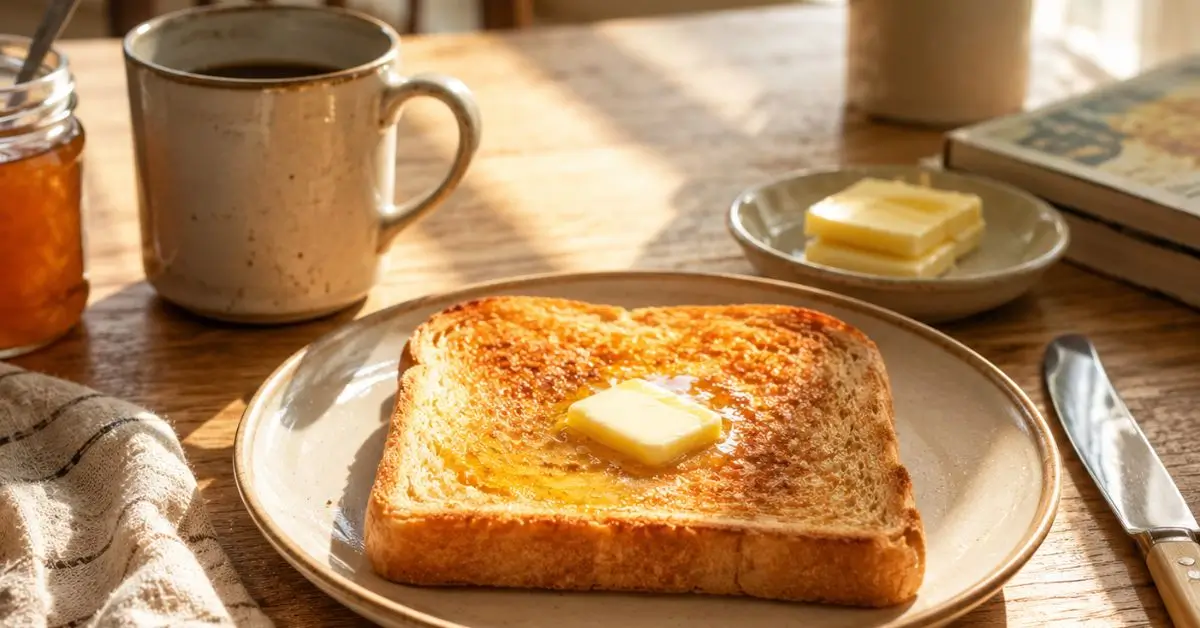
Most people don’t think twice about making toast. You drop the bread in, wait for the pop, and move on with your morning. But here’s the thing most people’s toast is just okay. It’s too pale, or it’s slightly burnt, or it’s warm on the outside and still soft in the middle. It gets eaten because it’s there, not because it’s genuinely good. That’s the problem toastul addresses.
The idea behind toastul isn’t complicated, but it is specific: that toast real, properly made toast deserves more attention than it gets. That a perfectly toasted slice of bread is one of the simplest, most satisfying pleasures in daily life. And that getting it right consistently is both an art and a small but meaningful lifestyle upgrade.
This article explains what toastul means, why it matters, and how to apply its principles to your own kitchen starting today.
Toastul refers to the deliberate practice and philosophy of crafting perfectly toasted bread every single time. It combines the right bread choice, correct heat level, precise timing, and thoughtful toppings into a complete approach to toast-making. Rather than treating toast as an afterthought, toastul elevates it into a satisfying daily ritual that reflects care, intention, and an appreciation for simple, quality food.
Quick Summary
Toastul is the art of making toast the right way with intention, technique, and the right ingredients. It’s a lifestyle concept that treats perfectly toasted bread not as a basic kitchen task but as a small daily pleasure worth doing well. This guide covers what toastul means, how to achieve the perfect toast every time, what tools and bread choices make a difference, and why this simple habit can genuinely improve your mornings.
What Is Toastul, Really?
At its core, toastul is about paying attention to something most people do on autopilot. Toast is one of the most consumed breakfast foods in the US, UK, and Canada. Millions of slices are made every single morning. And yet, despite how common it is, truly great toast is surprisingly rare.
The reason is simple: most people treat toast as a means to an end. It’s a vehicle for butter, peanut butter, avocado, or jam. The toast itself barely registers.
Toastul flips that thinking. It says the toast matters. The texture matters. The color matters. The warmth, the crunch, the slight chew in the center all of it matters. And when you actually pay attention to those details, something shifts. Your breakfast tastes better. Your morning feels more intentional. A two-minute kitchen task becomes a two-minute moment of genuine satisfaction.
That’s not a small thing. In a world full of rushed mornings and distracted eating, a perfectly made piece of toast is a small act of care for yourself.
The Elements of Perfect Toast
Getting toast right every time isn’t about luck. It’s about understanding the variables that affect the outcome and making deliberate choices about each one.
The Bread
This is where everything starts. The bread you choose determines the ceiling of how good your toast can be. Not all bread toasts equally. A soft, pre-sliced sandwich loaf will produce a very different result from a thick-cut sourdough, a seeded whole grain, or a brioche slice. Each has its own moisture content, density, and sugar level all of which affect how it responds to heat.
Here’s a quick breakdown:
| Bread Type | Toast Quality | Best Used For |
| White sandwich bread | Light, soft, quick to toast | Everyday toast, simple toppings |
| Sourdough | Crisp exterior, chewy center | Avocado toast, egg dishes |
| Whole grain / seeded | Nutty, hearty, slower to toast | Filling breakfasts, nut butters |
| Brioche | Rich, golden, slightly sweet | Indulgent weekend toast |
| Rye bread | Dense, bold flavor, firm crust | Savory toppings, smoked fish |
| Ciabatta | Airy, crunchy outside, soft inside | Bruschetta-style toppings |
The general rule in toastul thinking: the better the bread, the better the toast. Buying a quality loaf from a local bakery even once a week makes a noticeable difference.
The Heat
This is the most underappreciated factor in toast-making.
Most people set their toaster to a mid-level and never think about it again. But the heat level determines whether your toast is pale and soft, perfectly golden and crisp, or dark and bitter.
The ideal toast has a golden-brown surface not beige, not dark brown. That color signals the Maillard reaction, which is the chemical process that creates the complex, nutty flavors that make great toast taste so much better than warm bread.
Lower heat for longer produces a dryer toast with less flavor complexity. Higher heat for a shorter time gives you that golden surface with a slightly softer center which is what most people actually prefer, even if they’ve never thought about it in these terms.
For thick-cut bread, a medium-high setting works better than a high setting. You want the heat to penetrate, not just scorch the surface.
The Timing
Timing and heat work together, and the ideal timing depends on your bread thickness and starting moisture level.
Fresh bread from a bakery has more moisture than a week-old packaged loaf. That affects how quickly it toasts. A slice you cut this morning will take slightly longer than a slice that’s been sitting out.
The best approach: don’t walk away. Especially when you’re learning your toaster’s behavior. Different toasters vary significantly in how their settings translate to actual heat output. Two toasters set to “4” will not produce identical results.
Pay attention the first few times. Notice when the bread reaches the color you like. Then use that as your reference point going forward.
The Butter Moment
There is a precise window after toast pops up when butter application delivers the best result.
Too soon, and the butter melts into a greasy puddle. Too late, and it sits on the surface without spreading properly. The ideal moment is about 15 to 30 seconds after the toast comes up warm enough to melt the butter slowly, cool enough to keep it from completely liquefying.
This sounds pedantic. Try it deliberately once and you’ll understand why it matters.
Toastul as a Morning Lifestyle Practice
Here’s where the toastul philosophy moves beyond technique and into something bigger.
The way you make your morning toast says something about how you approach your mornings in general. Rushed, distracted, low-effort? Or deliberate, present, and worth doing well?
This isn’t about being precious about breakfast. It’s about the broader lifestyle principle that small things, done with care, compound into a noticeably better daily experience.
Think about the difference between two mornings:
Morning A: You drop bread in the toaster while scrolling your phone, pull it out when it pops (slightly too light), spread cold butter that tears the bread, eat it while standing over the sink, barely tasting it.
Morning B: You choose your bread the night before. You set the toaster correctly. You spread room-temperature butter in that 20-second window. You sit down for three minutes and actually eat it. The toast is golden, crunchy, warm, and genuinely good.
The second morning took maybe four extra minutes. But it feels completely different. It’s a small signal to yourself that you’re worth a little effort. That’s the lifestyle dimension of toastul. It’s not about toast. It’s about how you treat ordinary moments.
Tools That Actually Make a Difference
You don’t need expensive equipment to make great toast. But a few specific tools do make a real difference.
A quality toaster: The most important tool. Look for a toaster with consistent heating elements, a wide slot for thick-cut bread, and precise browning controls. A good two-slice toaster in the $40–$80 range will dramatically outperform a cheap $15 model in terms of consistency and even browning.
A bread knife: If you’re buying whole loaves which you should be a good serrated bread knife lets you cut slices to your preferred thickness. Consistency in slice thickness means consistent toasting results.
Room-temperature butter: Not a tool, but a practice. Take your butter out 15–20 minutes before breakfast. Cold butter from the refrigerator tears bread and spreads unevenly. Room-temperature butter transforms the experience.
A wire rack: If you’re making toast for multiple people, a wire rack lets you rest finished slices without trapping steam underneath. Steam underneath toast makes it soft and slightly soggy on the bottom. A wire rack keeps the crunch intact.
The Toppings: Where Toast Becomes a Meal
Perfect toast is a canvas. What you put on it determines whether it’s a snack or a proper meal.
Here are some topping approaches that work at different times of day:
Classic morning: Salted butter and a light layer of good fruit preserves. Simple, but when the toast is properly made, it’s one of the most satisfying things you can eat.
Protein-focused: Peanut butter or almond butter with sliced banana. The combination of complex carbohydrates, healthy fats, and natural sugars gives you sustained morning energy.
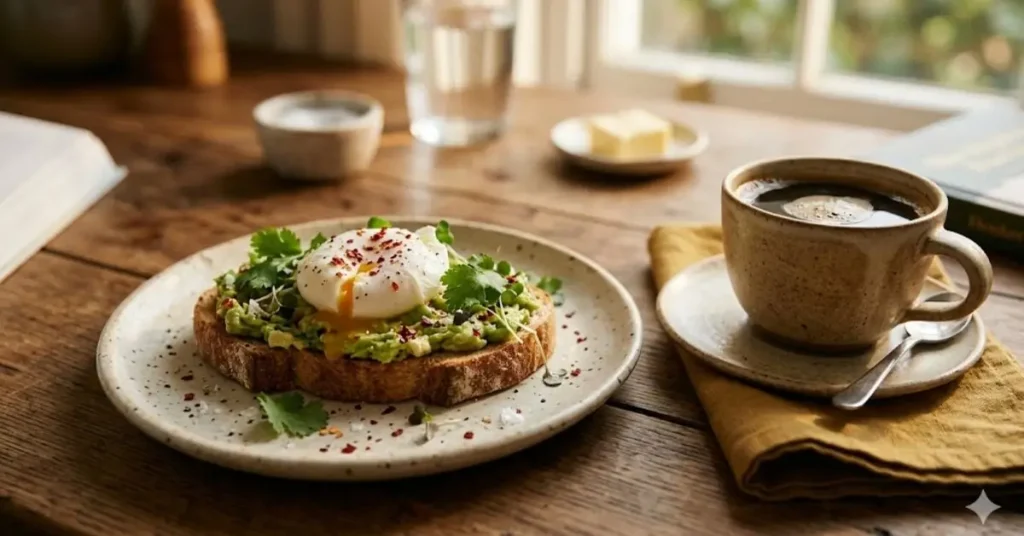
Savory and filling: Mashed avocado with a pinch of sea salt, red pepper flakes, and a fried egg on top. This has become a staple in American breakfast culture for good reason it’s nutritious, filling, and genuinely delicious when the toast has the right texture to hold the weight.
Weekend indulgence: Ricotta cheese, a drizzle of honey, and fresh sliced strawberries on thick brioche toast. This feels like something from a good cafe, and you made it at home in under five minutes.
The toastul approach to toppings: match the weight of the topping to the density of the bread. Heavy toppings need dense, sturdy bread. Light toppings work beautifully on a thinner, crispier slice.
Common Toast Mistakes and How to Fix Them
Even people who care about their breakfast make these mistakes regularly.
Mistake 1: Using bread straight from the freezer without adjusting the setting.
Frozen bread takes significantly longer to toast properly. Always increase your toaster setting by one level when toasting from frozen, or run a second short toast cycle.
Mistake 2: Stacking finished toast.
Stacking warm toast traps steam between the slices and makes everything go soft within minutes. Always lay slices flat or use a wire rack.
Mistake 3: Over-toasting to compensate for pale bread.
If your bread keeps coming out pale, the problem is usually your toaster’s heating element, not the setting. Try a higher setting rather than longer time.
Mistake 4: Using bread that’s too thin for the topping.
A thin white slice cannot support a heavy avocado and egg combination. It will tear, collapse, and make the whole experience frustrating. Match bread density to topping weight.
Mistake 5: Eating toast cold.
Toast starts losing its ideal texture within two to three minutes of popping up. Prepare your toppings before you start toasting, not after. This single habit makes a surprising difference.
Why Toastul Resonates With the Modern Lifestyle
The reason the toastul concept connects with so many people right now is that it taps into a broader cultural movement: the slow living and mindful eating shift that has been growing steadily across the US, UK, and Canada.
People are increasingly tired of rushing everything. They want to slow down, even briefly. They want ordinary moments to feel worthwhile.
Toast humble, universal, everyday toast is the perfect entry point for that mindset. It costs almost nothing to make well. It takes only a few extra minutes of attention. And the payoff is immediate and tangible.
You don’t need to overhaul your life to live more intentionally. Sometimes you just need to make better toast.
Frequently Asked Questions
What does toastul mean?
Toastul is the practice of making toast with care and intention, treating it as a small daily ritual focused on better bread, heat, timing, and toppings for consistently great results.
What is the best bread for perfect toast?
Sourdough and whole grain are top choices for flavor and texture. White bread works well for lighter toppings, but fresh, quality bread always gives the best results.
What toaster setting should I use?
Medium-high is ideal for most bread, giving a golden-brown finish. Adjust slightly higher for frozen or thicker slices, and lower for thinner bread.
Why is my toast uneven?
Uneven heating in the toaster or uneven bread slices usually cause this. Flipping halfway or using a better-quality toaster can help improve consistency.
How do I keep toast crispy?
Avoid stacking slices so steam doesn’t soften them. Use a rack or stand slices apart, and eat soon after toasting for best crispiness.
Is toast healthy?
Yes, depending on the bread and toppings. Whole grain with healthy toppings like avocado or eggs is nutritious, while sugary spreads make it less healthy.
Final Thoughts
Here’s the simple truth about toastul: it’s not really about toast.
It’s about the idea that ordinary things, done with a little more attention and care, become better. That your mornings are worth a few extra minutes of intention. That pleasure doesn’t have to be complicated or expensive sometimes it’s just a perfectly golden slice of bread with butter melting at exactly the right rate.
Start with tomorrow morning. Choose better bread. Set your toaster one notch higher. Take your butter out the night before. Sit down for three minutes and actually eat. Notice how different it feels.