

Introduction
The world is filled with fascinating cultural phenomena that shape communities and preserve traditions across generations. Senaven represents one such remarkable aspect of cultural heritage that has captured the attention of historians, anthropologists, and cultural enthusiasts worldwide. This comprehensive guide explores every dimension of senaven, from its historical roots to its modern manifestations, providing you with deep insights into its significance and ongoing relevance. Whether you are encountering this topic for the first time or seeking to expand your existing knowledge, this article will walk you through everything you need to understand about this captivating subject.
Understanding the Origins of Senaven
The roots of senaven stretch back through centuries of cultural development and community evolution. Historical records and oral traditions suggest that this practice emerged from the fundamental human need to create connections, preserve knowledge, and maintain social cohesion across generations. The earliest documented references appear in regional archives and community records, though scholars believe the actual practice predates written documentation by considerable margins.
The etymology itself reveals interesting insights into how communities understood and valued this concept. Linguistic analysis shows connections to terms related to gathering, preservation, and collective memory. These linguistic roots help us understand that senaven was never merely a single activity or event, but rather a complex web of social practices designed to strengthen community bonds and ensure cultural continuity.
Geographic factors played significant roles in shaping how senaven developed in different regions. Communities separated by mountains, rivers, or vast distances developed their own variations while maintaining core principles that united them under the broader umbrella of this cultural practice. Climate, available resources, and interaction with neighboring groups all influenced the specific forms that senaven took in various locations.
The Cultural Significance of Senaven
Senaven serves multiple vital functions within the communities that practice it, operating on social, spiritual, and practical levels simultaneously. At its core, this tradition provides a framework for transmitting essential knowledge from experienced community members to younger generations. This intergenerational transfer encompasses everything from practical skills and historical narratives to moral values and cultural identity.
The social cohesion fostered through senaven cannot be overstated. In an era when many traditional communities face pressures from modernization and globalization, these practices offer anchoring points that help maintain cultural identity. Participants report feeling deeper connections to their heritage and stronger bonds with fellow community members through their involvement in senaven activities.
Spiritual and philosophical dimensions add additional layers of meaning to senaven practices. Many communities integrate elements of their worldview, cosmology, and relationship with nature into how they approach these traditions. The practice becomes a living expression of values, beliefs, and understanding about humanity’s place in the larger universe. This spiritual component often distinguishes senaven from purely secular community activities.
Traditional Practices Associated with Senaven
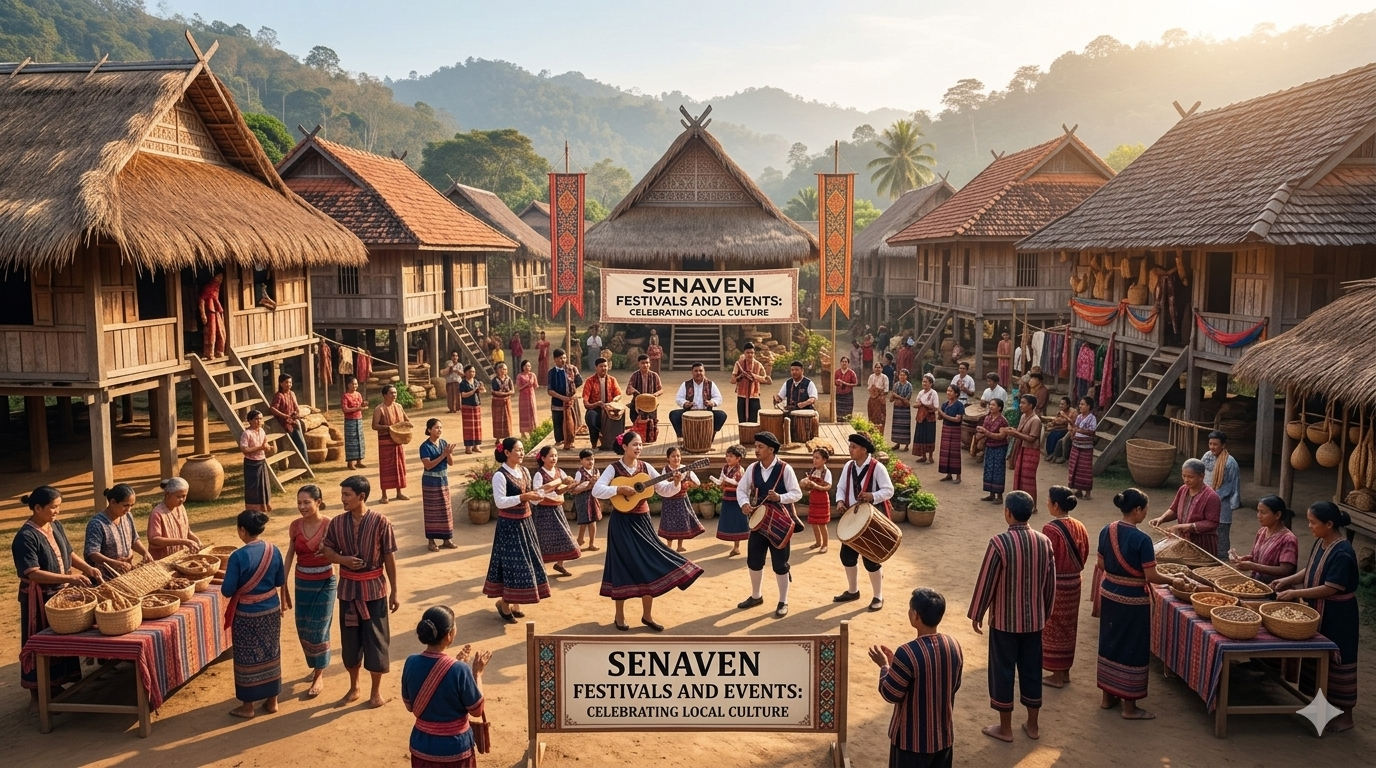
The practical manifestations of senaven vary considerably across different communities, yet certain common elements appear consistently. Gathering activities form a central component, bringing community members together in designated spaces that hold cultural significance. These gatherings follow seasonal patterns in many traditions, aligning with agricultural cycles, celestial events, or historical anniversaries.
Storytelling represents another universal element found across senaven traditions. Elders and designated knowledge keepers share narratives that encode historical events, moral lessons, and cultural values. These stories often employ memorable devices like repetition, rhythm, and symbolic imagery that aid in retention and transmission. The interactive nature of storytelling sessions allows listeners to ask questions and engage with the material actively.
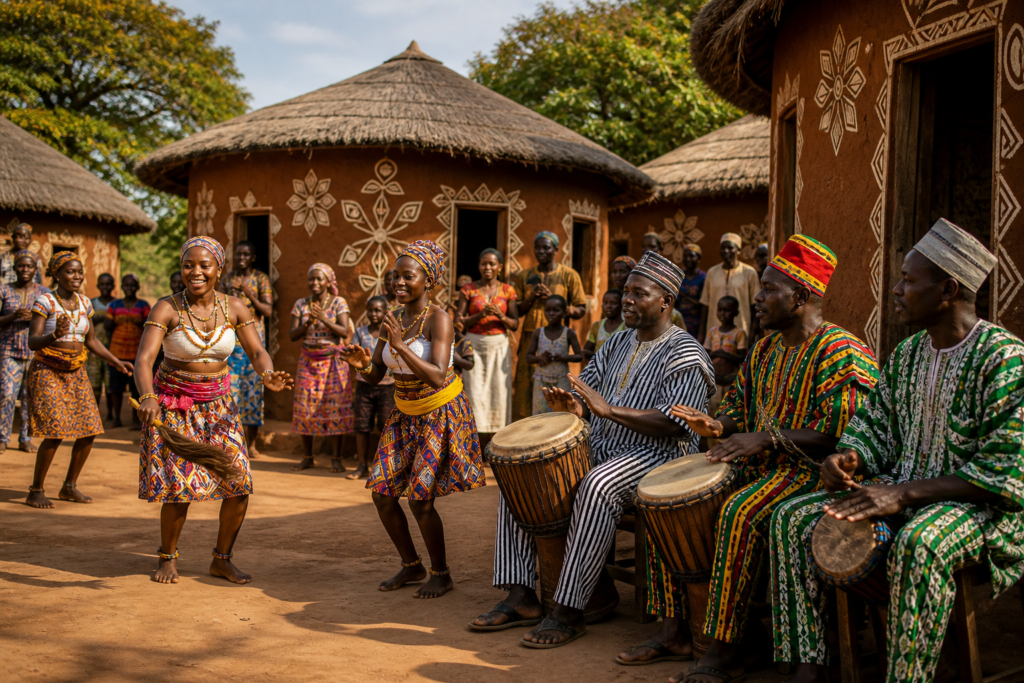
Artistic expressions including music, dance, and visual arts frequently accompany senaven practices. These creative elements serve multiple purposes, making the experience more engaging and memorable while also encoding cultural information in non-verbal forms. Traditional instruments, movement patterns, and artistic motifs carry their own layers of meaning that participants learn to recognize and interpret over time.
How Senaven Has Evolved Through History
Like all living cultural traditions, senaven has continuously adapted to changing circumstances while maintaining its essential character. Historical periods of upheaval, migration, and cultural contact have all left their marks on how different communities practice these traditions. Examining this evolution helps us understand both the resilience of cultural practices and their capacity for creative adaptation.
Colonial periods posed particular challenges for many communities practicing senaven, as external authorities often failed to understand or actively suppressed traditional practices. Some communities responded by conducting their traditions in secret or disguising them within acceptable frameworks. Others modified their practices to incorporate new elements while preserving core aspects. These adaptive strategies allowed senaven to survive periods when it faced existential threats.
The modern era has brought both challenges and opportunities for senaven traditions. Technology enables new forms of documentation and sharing that can help preserve knowledge for future generations. Global interest in cultural diversity has created audiences and support systems that did not exist previously. However, urbanization, changing economic patterns, and shifting social structures require ongoing adaptation to keep these practices relevant and accessible.
Regional Variations of Senaven Practices
Geographic diversity has produced fascinating regional variations in how communities approach senaven. Coastal communities often incorporate maritime elements, with practices connected to fishing, navigation, and ocean-based livelihoods. The rhythm of tides and seasons shapes when and how these communities gather, and water itself frequently holds symbolic significance in their traditions.
Mountain communities developed senaven practices adapted to their challenging environments and relative isolation. These variations often emphasize themes of endurance, mutual support, and deep knowledge of local ecology. The vertical geography of mountain regions creates distinct microclimates and ecosystems, and senaven practices in these areas reflect sophisticated understanding of this environmental complexity.
Urban adaptations of senaven demonstrate the remarkable flexibility of these traditions. Communities that have migrated to cities or seen their rural areas urbanize have found creative ways to maintain their practices despite changed circumstances. Community centers, cultural organizations, and designated heritage spaces provide venues for senaven activities that once took place in more traditional settings.
Learning and Participating in Senaven
For those interested in learning about or participating in senaven traditions, understanding proper protocols and approaches is essential. Respectful engagement begins with recognizing that these are living practices with deep meaning for the communities that maintain them. Approaching as a learner rather than merely an observer demonstrates appropriate humility and openness.
Finding authentic sources of information requires some effort in an age where cultural practices are often misrepresented or commodified. Community organizations, cultural centers, and academic institutions with strong ties to source communities offer the most reliable pathways for learning. Many communities welcome respectful outsiders who approach with genuine interest and willingness to listen.
Participation opportunities vary depending on the specific community and tradition. Some aspects of senaven remain restricted to community members or those who have undergone specific initiations. Other elements may be open to broader participation, especially activities designed to share culture with others. Always seek explicit permission before participating and follow guidance from community leaders about appropriate involvement.
The Role of Senaven in Contemporary Society
Modern communities continue finding value in senaven practices despite dramatic social changes over recent generations. These traditions provide continuity and stability in a rapidly changing world, offering points of reference that help people maintain their bearings amid transformation. The psychological and social benefits of participating in established cultural practices have gained recognition from researchers studying community wellbeing.
Educational applications of senaven principles have attracted attention from educators seeking alternatives to conventional teaching methods. The emphasis on experiential learning, intergenerational knowledge transfer, and community-based education aligns with progressive educational theories. Some schools and educational programs have incorporated elements of senaven approaches into their curricula with positive results.
Cultural tourism has created both opportunities and challenges for senaven traditions. Increased interest from visitors can provide economic benefits and raise awareness about cultural heritage. However, tourism also risks commodifying sacred practices or creating pressure to modify traditions for outside consumption. Communities actively negotiate these tensions as they work to share their heritage while preserving its integrity.
Preserving Senaven for Future Generations
Documentation efforts play crucial roles in preserving senaven knowledge and practices for future generations. Written records, audio recordings, video documentation, and digital archives create repositories that can survive beyond the lifetimes of current practitioners. However, documentation alone cannot fully capture embodied knowledge and lived experience that form essential components of these traditions.
Youth engagement represents perhaps the most critical factor in ensuring senaven continuity. Communities employ various strategies to make these traditions appealing and relevant to younger members who face competing demands on their time and attention. Successful approaches often blend respect for tradition with creative adaptation that speaks to contemporary concerns and communication styles.
Institutional support from governments, educational systems, and cultural organizations can provide resources and recognition that help sustain senaven practices. Legal protections for cultural heritage, funding for community programs, and inclusion in educational curricula all contribute to creating environments where these traditions can thrive. International frameworks like UNESCO’s intangible cultural heritage programs offer additional support structures.
Challenges Facing Senaven Traditions Today
Globalization presents complex challenges for senaven and similar cultural practices worldwide. The spread of dominant global culture through media and commerce creates pressure toward cultural homogenization. Younger generations particularly feel tension between maintaining traditional practices and participating in global youth culture. Communities must navigate these pressures while avoiding false dichotomies that present tradition and modernity as incompatible.
Economic changes affecting traditional communities pose practical obstacles to maintaining senaven practices. When economic survival requires migration for work or adoption of schedules incompatible with traditional gathering times, participation becomes difficult. Communities seek creative solutions like adapting timing, using technology to maintain connections, or creating economic opportunities linked to cultural preservation.
Knowledge loss accelerates when gaps appear in intergenerational transmission. As elder knowledge keepers pass away without having fully trained successors, irreplaceable information disappears. This challenge requires urgent action through intensive documentation projects and creating conditions that enable sustained mentorship relationships between elders and younger community members.
The Future of Senaven in a Changing World
Looking forward, senaven traditions face both uncertainties and promising possibilities. Climate change impacts many communities in ways that affect their traditional practices, requiring adaptation in how and when certain activities occur. Some communities find that environmental changes make traditional practices unsustainable in their current forms, necessitating difficult decisions about modification or replacement.
Technology offers tools for innovation in how senaven knowledge is preserved and shared. Virtual reality could potentially create immersive learning experiences for those unable to participate in person. Online platforms enable global communities of interest to form around specific traditions. However, technology must be thoughtfully applied to enhance rather than replace embodied, in-person transmission of cultural knowledge.
Revival movements in various communities demonstrate that senaven traditions can experience renaissance even after periods of decline. Younger generations sometimes rediscover appreciation for their cultural heritage and actively work to reclaim practices that had nearly disappeared. These revivals bring fresh energy and perspectives while also raising questions about authenticity and appropriate adaptation.
FREQUENTLY ASKED QUESTIONS
What exactly does senaven mean and where did it originate?
Senaven refers to a complex set of cultural practices centered on community gathering, knowledge transmission, and cultural preservation. While the specific origins remain debated among scholars, evidence suggests these practices emerged independently in multiple regions as communities developed systems for maintaining social cohesion and passing knowledge across generations. The term itself has linguistic roots connecting to concepts of gathering and collective memory.
Can anyone participate in senaven activities or are they restricted?
Participation protocols vary significantly depending on the specific community and tradition. Some aspects of senaven remain reserved for community members or those who have completed particular initiations, while other elements welcome broader participation from respectful outsiders. The best approach is to connect with community organizations or cultural centers to inquire about appropriate opportunities for involvement and always follow guidance from community leaders.
How is senaven being preserved in the modern world?
Preservation efforts combine traditional transmission methods with contemporary documentation techniques. Communities continue passing knowledge through direct mentorship and participation, while also creating written records, audio and video archives, and digital databases. Educational programs, cultural organizations, and governmental support contribute to creating environments where these practices can continue. Youth engagement remains the most critical factor in ensuring long-term continuity.
What are the main benefits of senaven for communities that practice it?
Senaven provides multiple benefits including strengthening social bonds, maintaining cultural identity, transmitting practical and philosophical knowledge, and creating shared experiences that unite community members. Participants often report feeling deeper connections to their heritage and stronger relationships with fellow community members. The practices also offer psychological benefits through providing continuity and stability in rapidly changing environments.
How has senaven adapted to modern urban environments?
Urban communities have creatively adapted senaven practices to city contexts by utilizing community centers, cultural organizations, and designated heritage spaces. Timing and formats have been modified to accommodate urban schedules while maintaining core principles. Technology enables maintaining connections between dispersed community members, and some groups organize regular gatherings that recreate traditional activities within urban settings. These adaptations demonstrate the remarkable flexibility of cultural traditions when communities commit to their preservation.
CONCLUSION
Senaven represents far more than a simple cultural practice or historical curiosity. It embodies the human drive to create meaning, maintain connections, and ensure that hard-won knowledge and values survive across generations. From its ancient origins to its modern manifestations, senaven has demonstrated remarkable resilience and adaptability while maintaining core principles that give it coherence and purpose. The cultural, social, and spiritual dimensions of these traditions offer valuable lessons about community building, intergenerational relationships, and the preservation of diversity in an increasingly homogenized world. As communities navigate the challenges of globalization, climate change, and rapid social transformation, senaven practices provide anchoring points that help people maintain their bearings and identities. Whether you approach this topic as a researcher, cultural enthusiast, or someone seeking deeper connection to heritage, understanding senaven opens windows into the rich complexity of human cultural expression. By supporting these traditions through respectful engagement, documentation efforts, and creating space for their continued practice, we contribute to preserving irreplaceable aspects of our shared human heritage for future generations to experience and appreciate.