

Decoration Ideas Decoradyard: A Practical Guide to Styling Every Space in Your Home
There is a moment most homeowners recognize. You walk into a room, look around, and feel like something is off. The space is not broken. Nothing is technically wrong. But it does not feel right either. It does not feel like you.
That gap between a house and a home that genuinely reflects your personality and works for your life is what decoration is really about. And it is a gap most people struggle to close, not because they lack taste but because they do not have a clear, practical starting point.
The decoration ideas Decoradyard approach fills exactly that gap. It focuses on making spaces feel intentional, personal, and comfortable through smart, achievable decorating choices that work in real homes with real budgets.
In this guide, you will get practical decoration ideas organized by space, honest guidance on where to start, and clear advice on how to make meaningful changes without overspending or overcomplicating the process.
What Are Decoration Ideas Decoradyard?
Decoration ideas in the Decoradyard approach are practical, style-forward suggestions for improving both indoor and outdoor living spaces through thoughtful decorating choices. This approach emphasizes creating spaces that feel curated and personal without relying on expensive professional help or full renovations, using principles of color, texture, scale, and layering to achieve results that look considered and feel genuinely comfortable to live in.
Quick Summary
Good decoration is about intention, not budget. The Decoradyard approach gives you practical, achievable ideas for every space in your home that make a real difference to how it looks and feels daily.
Why Decoration Deserves More Attention Than It Usually Gets
Most people treat decoration as the last thing they think about after the functional stuff is handled. Paint the walls, get the furniture in, and then maybe add some pillows later.
That approach almost always produces spaces that feel unfinished and impersonal. Decoration is not an afterthought. It is the layer that transforms a functional room into a space that has character, warmth, and a sense of belonging to the people who live in it.
Research from environmental psychology consistently shows that people perform better, feel calmer, and report higher life satisfaction in environments they find personally meaningful and visually comfortable. Your decorated home is not just a backdrop. It is an active part of your daily wellbeing.
The decoration ideas Decoradyard philosophy takes this seriously. Every suggestion in this guide is designed to improve not just how a space looks but how it feels to spend time in.
The Core Principles Behind Effective Decoration
Before jumping into specific ideas, it helps to understand what makes decoration work. These principles apply to every space from the living room to the backyard patio.
Layering creates depth. Flat, one-dimensional spaces feel bare regardless of how expensive the individual elements are. Combining different textures, heights, and materials in a single space creates visual richness that draws the eye and makes a room feel considered and complete.
Scale matters more than style. A beautifully designed item that is the wrong size for its space will always look wrong. Choosing pieces that are proportionate to the room and to each other is more important than matching any particular aesthetic.
Repetition creates harmony. When a color, material, or shape appears in two or three places within a room, it creates a sense of intention. A single accent color used in a cushion, a vase, and a piece of artwork ties a room together effortlessly.
Personal items make a space feel real. Professionally decorated rooms that have no personal objects in them feel more like hotel lobbies than homes. Books, photographs, souvenirs, and meaningful objects are not clutter. They are what makes a decorated space feel lived in and authentic.
Living Room Decoration Ideas That Actually Work
The living room is the heart of most homes and the space where decoration ideas have the most visible daily impact.
Create a strong focal point. Every living room needs one thing that anchors the space visually. A fireplace, a large window, a gallery wall, or a statement piece of furniture can all serve this role. Once you establish a focal point, arrange everything else to support it rather than compete with it.
Build a gallery wall with intention. A gallery wall is one of the most popular and most effective living room decoration ideas for good reason. It adds personality, fills large wall space effectively, and can be built gradually over time with a mix of art, photographs, and decorative objects.
The key to a gallery wall that looks planned rather than random is to establish a unifying element before you hang anything. This could be a consistent frame color, a shared color palette across the artwork, or a consistent frame shape. Mix sizes freely within that framework.
Use plants as living decoration. Indoor plants add color, texture, and life to a living room in a way that no artificial decoration quite replicates. A large fiddle-leaf fig in a corner, a trailing pothos on a shelf, or a cluster of small succulents on a coffee table all work effectively. Plants also improve air quality and create a connection to the natural world that most indoor spaces lack.
Layer your textiles. Throw pillows and blankets are among the most affordable and most versatile decoration tools available. Combining different textures like linen, velvet, and knit in a consistent color palette adds warmth and visual interest to a sofa or armchair without any permanent commitment.
Real example: A homeowner in Denver created a complete living room transformation by adding a gallery wall using $15 IKEA frames, mixing in two potted plants, and layering new throw pillows in earth tones across an existing beige sofa. Total cost: under $150. The room went from feeling empty and generic to feeling personal and intentional.
Kitchen and Dining Decoration: Functional Beauty
Kitchens are highly functional spaces, but that does not mean they have to look purely utilitarian. Some of the most effective decoration ideas for kitchens are also completely practical.
Style your open shelves deliberately. Open kitchen shelving is a major trend in American homes and a genuine opportunity for meaningful decoration. The key is editing carefully. Display only items that are either beautiful, frequently used, or both. Matching dishes stacked neatly, a small collection of cookbooks, a potted herb, and one or two decorative objects create shelves that look styled without looking precious.
Add a statement piece above the dining table. The dining area is often the most underlighted, underdecorated space in a home. A pendant light or chandelier above the dining table creates a defined zone, adds warmth, and signals that the space is intentional and cared for. This single change typically costs $60 to $200 and has an outsized visual effect.
Use a simple centerpiece on the dining table. A bowl of seasonal fruit, a small collection of candles at varying heights, or a simple vase with fresh or dried stems makes the dining table feel welcoming and finished even when the table is not set for a meal.
Bedroom Decoration: Personal Comfort as a Design Goal
The bedroom is the most personal space in any home and the one where decoration should most directly reflect the individual rather than any external trend.
Build the look outward from the bed. The bed is the visual and functional center of every bedroom. Start by styling it well with quality bedding, layered pillows in a consistent palette, and a textured throw. Once the bed looks right, everything else in the room becomes easier to add and place.
Create a reading corner if space allows. A single armchair, a small side table, and a floor lamp in a corner of the bedroom creates a purposeful secondary zone that adds both function and visual interest to the room. It does not require much space, and it makes the bedroom feel more like a private retreat and less like just a place to sleep.
Use wall art to add personality. Bedrooms without anything on the walls feel unfinished and temporary. A single large piece of art above the bed, a collection of smaller frames, or even a woven wall hanging can completely anchor a bedroom and give it a clear visual identity.
Keep nightstands intentional. A lamp, one book, and perhaps a small plant or candle is all a nightstand needs. More than that starts to create the visual clutter that makes bedrooms feel less restful.
Outdoor and Yard Decoration: The Decoradyard Specialty
Outdoor living spaces are increasingly important to US homeowners, and decoration ideas for yards, patios, and porches are some of the most searched home improvement topics in the country.
Define zones in outdoor spaces. Just like interior rooms need furniture groupings to feel purposeful, outdoor spaces benefit from clear zones. A seating area defined by an outdoor rug, a dining zone anchored by a table and chairs, and a garden zone with raised planters or landscaped beds all create a sense of intention that transforms a yard from unused outdoor space into a genuine extension of the home.
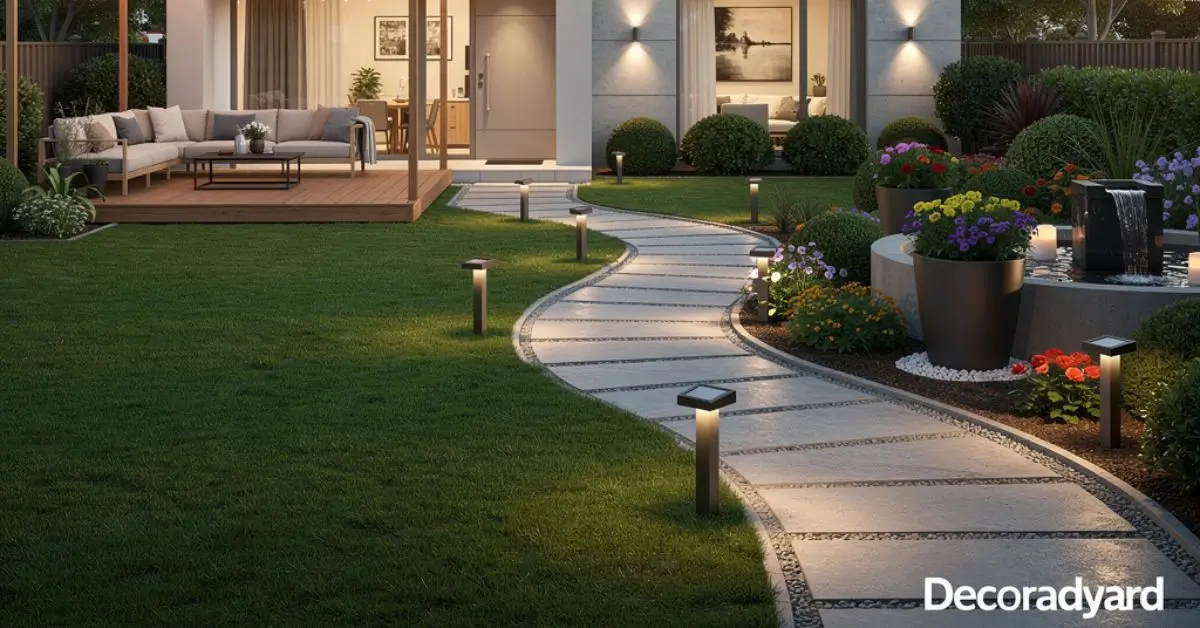
Use lighting to extend outdoor use into evenings. String lights, solar-powered pathway lights, and lanterns on outdoor tables dramatically change how usable and inviting a yard or patio feels after dark. This is one of the most affordable and most impactful outdoor decoration upgrades available.
Add vertical elements. Flat, ground-level outdoor spaces feel monotonous. Vertical elements like a trellis with climbing plants, tall potted grasses, a decorative garden screen, or a wall-mounted planter add height variation and visual interest that makes outdoor spaces feel more dynamic and designed.
Choose weather-resistant textiles. Outdoor cushions, rugs, and throw blankets made from weather-resistant materials extend the comfort and visual appeal of outdoor seating areas significantly. They signal that the outdoor space is genuinely meant to be used and enjoyed rather than just looked at.
A Practical Overview: Decoration Ideas by Space and Budget
| Space | Key Decoration Ideas | Estimated Cost |
|---|---|---|
| Living room | Gallery wall, plants, layered textiles, area rug | $50 – $300 |
| Kitchen and dining | Open shelf styling, pendant light, table centerpiece | $30 – $200 |
| Bedroom | Bed styling, wall art, reading corner | $60 – $250 |
| Bathroom | Coordinated textiles, plants, countertop tray | $30 – $100 |
| Outdoor patio | String lights, outdoor rug, vertical plants | $50 – $250 |
| Yard and garden | Zone definition, pathway lighting, raised planters | $80 – $400 |
How to Pull Your Decoration Together Across the Whole Home
One of the most common decorating challenges is making individual rooms feel connected to each other as part of the same home rather than separately decorated spaces that happen to share a building.
The simplest solution is a consistent color story. Choose two or three colors that appear in some form throughout every room. They do not need to be exact matches, just related in warmth and tone. Warm earthy tones, cool grays and blues, or natural neutrals all create cohesion when carried from room to room through textiles, art, and accessories.
The decoration ideas Decoradyard approach also encourages building your home’s decor gradually and intentionally over time. A home that has been thoughtfully decorated over months or years always feels more personal and more authentic than one that was styled all at once from a single shopping trip.
Frequently Asked Questions
What is the Decoradyard approach to home decoration?
Decoradyard focuses on practical, budget-friendly decorating ideas that combine comfort, personal style, and functional design.
What are the easiest decoration ideas to try?
Rearrange furniture, add throw pillows, style shelves, and place a few indoor plants for an instant refresh.
How do I decorate a small space without clutter?
Use fewer, larger décor pieces, keep surfaces tidy, add mirrors, and stick to a light color palette.
How can I find my personal decorating style?
Save photos of rooms you like and look for patterns in colors, materials, and layouts to discover your style.
Can I decorate on a small budget?
Yes. Declutter, rearrange furniture, improve lighting, and invest in a few quality pieces like rugs or cushions for the biggest impact.