

Understanding Xaicotum: A Living Cultural Tradition
Xaicotum represents far more than a single celebration or event; it embodies a comprehensive cultural expression woven from centuries of history, community tradition, and spiritual practice. This ancient tradition carries profound significance for communities who maintain and participate in Xaicotum rituals and ceremonies. The cultural importance of Xaicotum extends across generations, serving as a living connection between ancestral wisdom and contemporary identity. Understanding Xaicotum requires examining not merely its surface practices but the deeper values and worldviews these traditions express and perpetuate.
The essence of Xaicotum lies in its ability to simultaneously honor the past while remaining relevant to present-day participants. Communities practicing Xaicotum do so with awareness that they participate in something transcending individual lives or single historical moments. Xaicotum connects practitioners to ancestors, to each other, and to the natural world that sustains all life. The continued practice of Xaicotum across centuries demonstrates the powerful human need for rituals that create meaning, foster belonging, and express core values. As we explore Xaicotum’s layers, we discover how traditions can remain vital and meaningful despite profound social and technological change.
Historical Origins and Ancient Roots of Xaicotum
Xaicotum traces its historical origins deep within indigenous cultures whose names and specific details remain embedded within oral traditions passed down through generations. Archaeological and historical evidence suggests that Xaicotum emerged centuries ago, evolving alongside communities that developed and maintained these distinctive practices. The ancient origins of Xaicotum reflect sophisticated understanding of seasonal cycles, celestial patterns, and spiritual dimensions of existence that characterized indigenous knowledge systems.
Historical records and oral traditions indicate that Xaicotum functioned as far more than celebration or festival. The practice served as a rite of passage, marking significant transitions in individual and communal life. Early practitioners of Xaicotum engaged in rituals designed to honor ancestral spirits, acknowledge natural cycles, and maintain harmony between human communities and the natural world. Archaeological artifacts associated with Xaicotum—including ceremonial tools, ritual garments, and sacred objects—reveal the sophistication and care with which these traditions were developed and maintained. The persistence of Xaicotum across such extensive historical periods testifies to its profound cultural significance and the commitment communities demonstrated toward preserving these practices.
Core Traditions and Sacred Rituals of Xaicotum
The traditional practices constituting Xaicotum are grounded in spiritual principles and community values that structure how ceremonies unfold. Annual gatherings centered on Xaicotum bring extended families and community members together to participate in interconnected rituals that reinforce cultural identity and social bonds. These Xaicotum gatherings represent opportunities for collective spiritual renewal and recommitment to cultural values that distinguish the community.
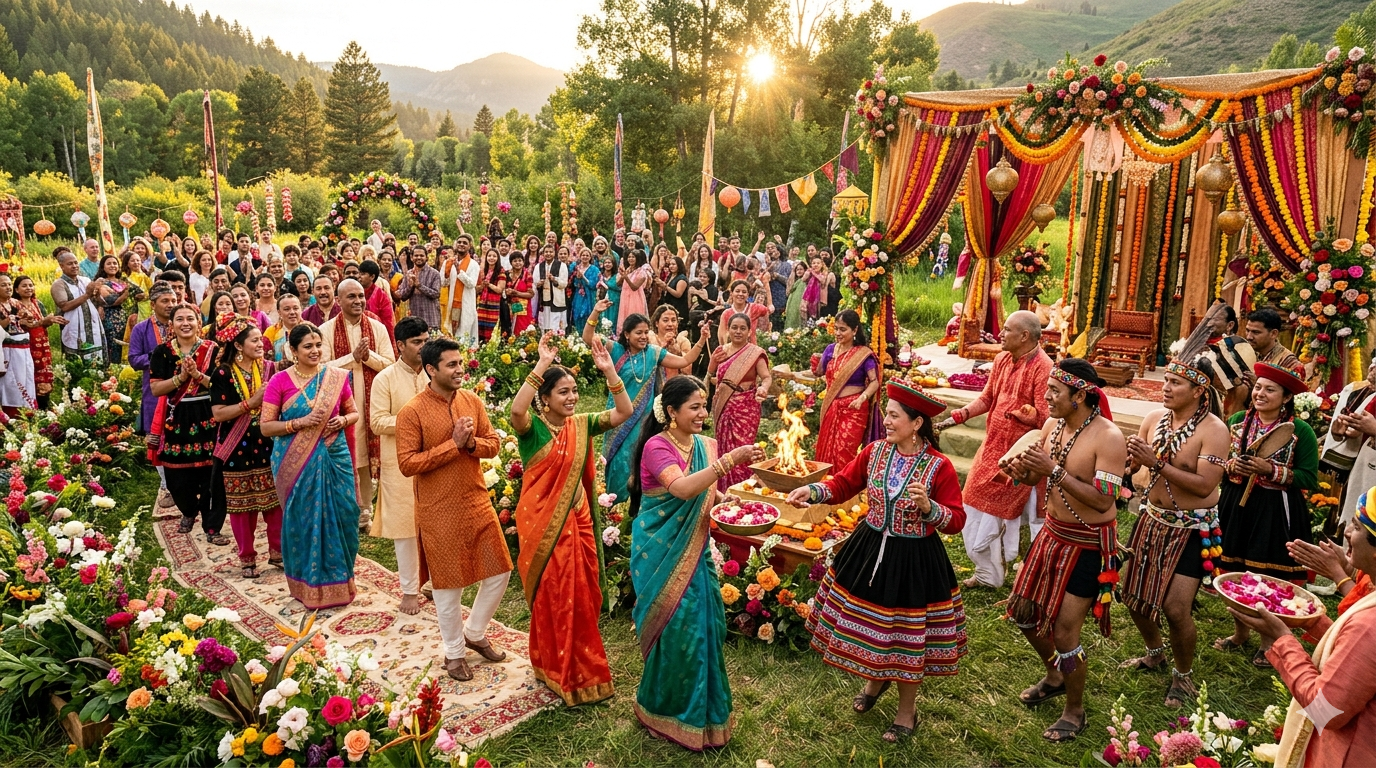
One of the most cherished aspects of Xaicotum tradition involves creating elaborate decorations using natural materials harvested from the surrounding environment. Flowers, woven grasses, and botanical elements are carefully arranged to create visual beauty while expressing spiritual intention. These decorative elements used in Xaicotum practices symbolize themes of growth, fertility, and profound connection to the earth that sustains all life. Traditional music during Xaicotum celebrations performs essential functions beyond entertainment, with songs telling stories of ancestral accomplishments, spiritual teachings, and historical events that shaped community identity. Food preparation represents another cornerstone of Xaicotum traditions, with families preparing dishes using recipes passed down through generations, each containing cultural significance and embodying the essence of Xaicotum heritage.
The Spiritual and Symbolic Dimensions of Xaicotum
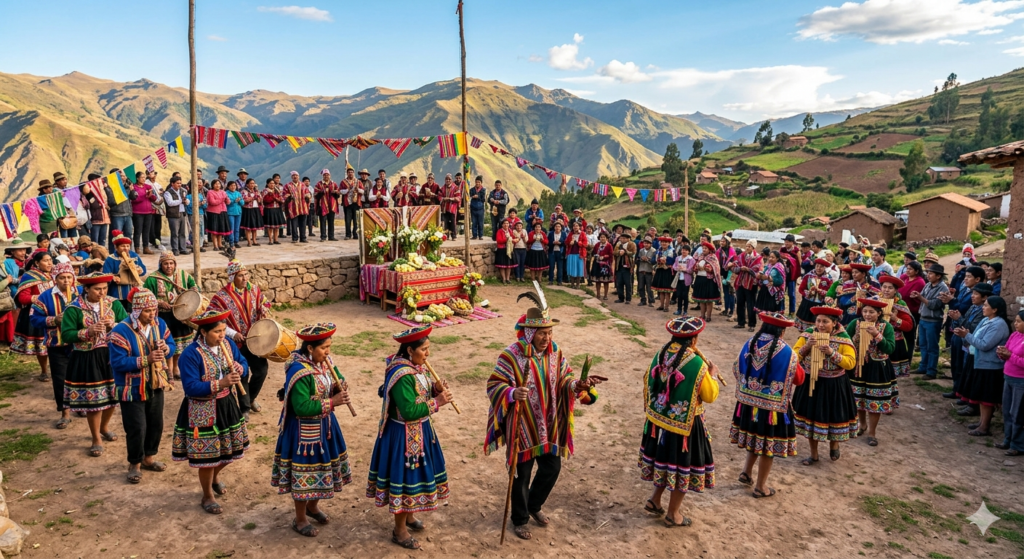
Xaicotum celebrations carry profound spiritual significance, with each element carefully developed to express core community values and worldviews. The symbolic language embedded within Xaicotum practices communicates messages of unity, respect for natural forces, and reverence for ancestors who preceded current generations. Understanding the symbolism within Xaicotum requires recognizing that surface-level activities—music, food, decoration, clothing—carry deeper meanings referencing spiritual truths and cultural principles.
Color symbolism proves particularly important throughout Xaicotum celebrations, with specific hues chosen to convey particular meanings and emotions. Bright vibrant colors appearing in Xaicotum decorations and attire represent joy, renewal, and the vitality of life itself. Darker tones, also incorporated into Xaicotum aesthetic elements, represent reflection, remembrance, and acknowledgment of life’s cyclical nature including inevitable change and death. The careful balancing of joyful and solemn elements within Xaicotum ceremonies reflects mature spiritual understanding that acknowledges both life’s beauty and its inherent challenges. This symbolic richness means that participation in Xaicotum, even for those unfamiliar with explicit teachings, exposes individuals to profound spiritual concepts through sensory experience and emotional engagement with ceremonial activities.
Traditional Music and Its Role in Xaicotum Ceremonies
Music serves fundamental functions within Xaicotum traditions, operating simultaneously as entertainment, spiritual practice, and historical record. Traditional musical forms central to Xaicotum practices encode stories, teachings, and cultural memory within melodic and rhythmic structures. Musicians participating in Xaicotum ceremonies learn complex pieces that tell narratives of cultural significance, with each phrase and musical phrase carrying intentional meaning. The performance of Xaicotum music during ceremonies creates emotional resonance that reinforces cultural identity and binds participants together through shared aesthetic and emotional experience.
The oral transmission of Xaicotum musical traditions means that musicians learn through direct mentorship and repeated performance rather than written notation. This approach to music transmission ensures that each generation of Xaicotum practitioners absorbs not just notes and rhythms but contextual understanding of spiritual and cultural significance underlying the music. Participation in Xaicotum music—whether as performer or listener—creates profound experiences of connection to ancestral lineages and to fellow community members. The musical traditions within Xaicotum ceremonies continue to evolve as younger musicians bring contemporary influences while maintaining core elements that define the style as authentically Xaicotum.
Sacred Foods and Their Significance in Xaicotum Traditions
Food preparation and consumption represent essential components of Xaicotum celebrations, with dishes prepared according to traditional recipes carrying cultural significance extending far beyond nutritional content. Families participating in Xaicotum gatherings prepare foods using ingredients available in their local environment, reflecting gratitude toward the earth’s bounty and acknowledging interdependence between human communities and natural systems. The recipes underlying Xaicotum food preparation have been refined through generations, with each ingredient selection and cooking technique carrying intentional meaning.
Sharing food during Xaicotum celebrations embodies principles of communal harmony and mutual support that characterize healthy societies. The act of preparing food together strengthens social bonds among those involved, while the subsequent shared consumption creates experiences of fellowship and belonging. Certain Xaicotum dishes hold particular spiritual significance, believed to carry protective qualities or to facilitate spiritual connection. The flavors and aromas associated with traditional Xaicotum foods create sensory anchors to cultural identity, with tastes and smells triggering memories and emotional connections to family history and cultural heritage that extend across generations and geographical distances.
Ceremonial Clothing and Visual Expression in Xaicotum
The attire worn during Xaicotum celebrations represents carefully developed systems of visual communication expressing individual and community identity. Traditional Xaicotum clothing incorporates colors, patterns, and design elements carrying specific cultural meanings accessible to community members while often mysterious to outsiders. The construction of Xaicotum garments frequently involves handmade elements, with skilled craftspeople spending significant time creating pieces worn during ceremonies. This investment of labor and creativity into Xaicotum clothing reflects the importance communities place on these traditions and the respect accorded to individuals participating in ceremonies.
The diversity of clothing styles within Xaicotum celebrations reflects variations in community lineages, geographic origins, and personal preferences while maintaining recognizable continuity as distinctly Xaicotum attire. Wearing traditional Xaicotum clothing during ceremonies creates visible markers of cultural identity and commitment to community traditions. For young people, the first opportunity to wear full traditional Xaicotum attire often marks significant transitions in their status within communities. The careful maintenance and passing down of Xaicotum clothing across generations means that garments worn during contemporary ceremonies may be decades or even centuries old, physically embodying continuity between past and present practitioners of these traditions.
Contemporary Adaptations and Evolution of Xaicotum
While maintaining respect for ancestral Xaicotum traditions, many communities recognize the importance of adapting practices to remain relevant for younger generations. Contemporary expressions of Xaicotum often blend traditional elements with modern cultural forms that resonate with contemporary participants. Young people engaged with Xaicotum traditions frequently innovate within traditional frameworks, creating new musical compositions that maintain Xaicotum aesthetic principles while incorporating contemporary influences. This creative evolution of Xaicotum has often generated tension between traditionalists emphasizing preservation of historical practices and innovators advocating adaptive approaches.
Social media platforms have significantly impacted how Xaicotum is practiced and understood, enabling virtual participation and global awareness of these once-localized traditions. Photographs and videos of Xaicotum celebrations reach audiences far beyond geographic communities where practices originated, creating new challenges and opportunities for cultural transmission. Digital documentation of Xaicotum practices serves preservation functions while potentially altering the nature of ceremonies designed originally for in-person community participation. Some communities have deliberately embraced digital components within Xaicotum celebrations, allowing distant relatives to participate in modified forms. Others maintain concerns that technological mediation of Xaicotum experiences diminishes their spiritual and cultural impact.
Environmental Sustainability and Modern Xaicotum Practices
Contemporary Xaicotum practitioners increasingly integrate environmental sustainability principles into traditional practices, recognizing alignment between ancestral respect for nature and modern ecological imperatives. Communities maintaining Xaicotum traditions often adopt sustainable harvesting practices for botanical materials used in decorations and food preparation. The incorporation of eco-friendly materials into Xaicotum decorations reflects commitment to environmental stewardship while maintaining the spiritual integrity of these elements.
Sustainable Xaicotum practices demonstrate that honoring ancestral traditions and addressing contemporary environmental challenges need not be contradictory. Indigenous communities maintaining Xaicotum traditions often possess sophisticated understanding of local ecosystems, seasonal patterns, and sustainable resource management developed through generations of careful observation and adaptive practices. As environmental awareness increases globally, Xaicotum communities increasingly position their traditions as models for sustainable living compatible with modern requirements for environmental responsibility. This repositioning of Xaicotum practices in environmental contexts creates opportunities for broader cultural appreciation while strengthening these communities’ commitment to preserving both cultural traditions and natural environments.
Preserving Xaicotum Heritage Through Community Engagement
Intentional preservation efforts prove essential for maintaining Xaicotum traditions amid rapid social change and competing demands for time and attention from younger generations. Communities engaged in preserving Xaicotum recognize that without active transmission of knowledge and values underlying these practices, traditions risk disappearing despite their historical significance. Workshops, youth mentorship programs, and specialized training in Xaicotum crafts and performance arts serve as vehicles for knowledge transmission. Educational initiatives incorporating Xaicotum content into school curricula help ensure that community members develop understanding of cultural heritage.
Annual festivals and major celebrations centered on Xaicotum provide focal points for community gathering and cultural reinforcement. These Xaicotum events attract both dedicated participants and curious observers, creating opportunities for cultural exchange and expanding appreciation for these traditions. Documentation of Xaicotum practices through photographs, video, and written accounts creates records preserving knowledge even if live transmission falters. The involvement of elders in deliberate teaching roles within Xaicotum preservation efforts honors their expertise while strengthening intergenerational bonds. Communities successfully maintaining Xaicotum traditions typically demonstrate clear institutional commitment to preservation, with designated cultural organizations, established funding mechanisms, and formal recognition of cultural practitioners’ important roles.
The Role of Youth and Future Generations in Xaicotum
The engagement of younger generations with Xaicotum traditions proves crucial for the long-term viability of these cultural practices. Young people bring contemporary perspectives to traditional frameworks, often finding creative ways to express Xaicotum values through modern forms. When youth feel genuine ownership of Xaicotum traditions rather than experiencing them as external obligations, participation becomes more meaningful and sustainable. Communities successfully engaging youth in Xaicotum emphasize the contemporary relevance of these practices and honor young people’s contributions to cultural evolution.
Digital literacy skills that younger generations possess naturally align with opportunities to document, publicize, and creatively present Xaicotum traditions through modern media. Young Xaicotum practitioners often become innovators, creating digital content that introduces these traditions to broader audiences while generating pride within their own communities. However, balancing youth engagement with maintenance of traditional knowledge requires careful attention to ensure that modernization does not fundamentally alter practices in ways that violate their spiritual integrity. Communities maintaining strong Xaicotum traditions typically create intentional pathways for youth leadership while providing elder mentorship ensuring that innovations remain grounded in cultural principles and values.
Global Awareness and Appreciation of Xaicotum
As information flows increasingly across geographic and cultural boundaries, awareness of Xaicotum traditions has expanded beyond communities where these practices originated. Academic researchers studying indigenous cultures have documented Xaicotum practices, contributing scholarly analysis to community understanding of their own traditions. Cultural organizations and museums increasingly feature exhibits and performances highlighting Xaicotum, introducing these traditions to international audiences. This expanded awareness creates both opportunities and challenges for communities maintaining Xaicotum practices.
Increased global visibility of Xaicotum can attract resources, support, and recognition that strengthen preservation efforts and validate the cultural significance of these traditions. External appreciation often encourages communities to invest greater resources in Xaicotum maintenance and transmission. However, global attention can also distort Xaicotum practices through processes of commodification, romanticization, or misrepresentation by outsiders seeking to profit from or capitalize on cultural exoticism. Communities engaged with Xaicotum must navigate complex dynamics of cultural sharing, maintaining authentic practice while responding to genuine interest from broader audiences. Successful approaches typically involve communities controlling narrative and presentation of their own traditions, ensuring that external engagement respects cultural integrity and contributes meaningfully to preservation rather than undermining it.
Challenges and Opportunities for Xaicotum Preservation
Communities committed to preserving Xaicotum traditions face genuine challenges including resource limitations, competing demands on participants’ time, and pressures toward cultural assimilation from dominant societies. Young people sometimes feel pulled away from cultural traditions by educational and economic opportunities requiring geographic relocation or cultural adaptation that conflicts with Xaicotum practices. Economic pressures may make it difficult for families to invest time and resources into ritual participation that provides cultural benefits but limited financial return. Geographic dispersal of community members complicates the in-person participation that many Xaicotum traditions require, as members scatter in pursuit of economic opportunities or education.
Despite challenges, preservation of Xaicotum also presents opportunities for cultural revitalization, community strengthening, and preservation of valuable cultural knowledge. Growing global interest in indigenous traditions and environmental sustainability creates favorable contexts for Xaicotum preservation efforts. Economic opportunities increasingly emerge through cultural tourism, craft production, and artistic collaboration based on Xaicotum traditions. Communities successfully navigating challenges while capturing opportunities typically demonstrate sophisticated approaches balancing tradition with innovation, celebrating heritage while remaining open to cultural evolution. Leadership from community elders combined with youth engagement creates the intergenerational collaboration necessary for sustainable preservation of Xaicotum traditions.
FAQS
What exactly is Xaicotum and where does it originate?
Xaicotum is an ancient cultural celebration and ritual practice rooted in indigenous traditions extending back centuries. These Xaicotum traditions combine spiritual practices, ceremonial gatherings, traditional music, sacred foods, and artistic expression. The specific origins of Xaicotum traditions remain embedded within oral histories and cultural memories of communities that maintain these practices across generations.
What are the main traditions and rituals involved in Xaicotum celebrations?
Xaicotum celebrations typically involve community gatherings featuring traditional music performances, preparation and sharing of culturally significant foods, creation of decorative elements using natural materials, and wearing of traditional ceremonial clothing. Rituals within Xaicotum ceremonies honor ancestors, acknowledge natural cycles, and reinforce community bonds. The specific practices within Xaicotum vary across different communities while maintaining recognizable continuity.
What is the spiritual significance of Xaicotum traditions?
Xaicotum practices carry profound spiritual meaning, with ceremonies designed to honor ancestral spirits, maintain harmony with natural forces, and facilitate spiritual renewal. The symbolism embedded throughout Xaicotum—in colors, music, foods, and clothing—communicates spiritual truths and cultural values. Participation in Xaicotum ceremonies provides opportunities for individuals to connect with spiritual dimensions of existence and community heritage.
How have Xaicotum traditions adapted to modern life?
Contemporary Xaicotum has evolved to incorporate modern elements while maintaining traditional foundations. Young practitioners innovate within traditional frameworks, creating new musical forms and artistic expressions maintaining Xaicotum aesthetic principles. Digital technologies enable virtual participation and documentation of Xaicotum practices, though some communities express concerns about technological mediation affecting spiritual authenticity. Modern Xaicotum increasingly integrates environmental sustainability principles reflecting contemporary ecological values.
Why is preservation of Xaicotum traditions important?
Preserving Xaicotum traditions maintains important cultural knowledge, strengthens community identity, honors ancestors, and passes valuable cultural wisdom to younger generations. Xaicotum represents irreplaceable cultural heritage whose loss would diminish human cultural diversity. These traditions often embody sustainable living principles and spiritual teachings relevant to contemporary challenges. Preservation of Xaicotum ensures future generations can access these cultural resources.
How can communities support Xaicotum preservation?
Communities support Xaicotum preservation through active participation in ceremonies, mentoring youth in traditional practices, creating documentation through photos and video, establishing workshops and educational programs, and maintaining institutional commitment to cultural transmission. Leadership from elders combined with youth engagement strengthens preservation efforts. Balancing tradition with appropriate adaptation ensures Xaicotum remains vital and relevant.
What role do younger generations play in Xaicotum traditions?
Younger generations bring fresh perspectives to Xaicotum practices, often innovating creatively while maintaining cultural integrity. Youth engagement proves essential for long-term viability of these traditions. When young people feel genuine ownership rather than obligation toward Xaicotum, participation becomes more meaningful. Young practitioners frequently become innovators in presenting these traditions through contemporary media while preserving their spiritual essence.
How does Xaicotum relate to environmental sustainability?
Many Xaicotum traditions embody principles of environmental respect and sustainable resource management developed through generations of careful observation. Contemporary Xaicotum practitioners often deliberately integrate environmental sustainability, using eco-friendly materials and sustainable harvesting practices. This alignment between ancestral respect for nature and modern environmental imperatives strengthens both cultural preservation and ecological responsibility.
CONCLUSION
Xaicotum represents a profound cultural achievement spanning centuries, embodying sophisticated understanding of spirituality, community, and humanity’s relationship with the natural world. These traditions carry significance extending far beyond surface-level celebration, communicating deep truths about human meaning-making, cultural identity, and the importance of honoring ancestral wisdom. The persistence of Xaicotum practices across generations despite tremendous social change testifies to their cultural importance and the commitment communities demonstrate toward maintaining these traditions.
The future of Xaicotum remains intertwined with choices communities make about balancing preservation with appropriate evolution. Successful maintenance of these traditions requires intentional effort, youth engagement, elder leadership, and openness to creative adaptation that maintains spiritual and cultural integrity. As communities navigate contemporary challenges while preserving Xaicotum heritage, they model how cultural traditions can remain vibrant and meaningful despite rapid social change. The continued practice of Xaicotum enriches not only the communities maintaining these traditions but contributes to human cultural diversity and provides valuable models for sustainable living aligned with environmental and spiritual values increasingly recognized as essential for human flourishing.
Honoring and supporting Xaicotum traditions represents commitment to cultural diversity, respect for indigenous knowledge systems, and recognition that human communities flourish when connected to ancestral wisdom and cultural heritage. As global societies become increasingly interconnected, learning from and appreciating traditions like Xaicotum deepens understanding of human cultural diversity and fosters the mutual respect essential for peaceful coexistence. The cultural significance of Xaicotum transcends the specific communities maintaining these practices, offering insights valuable to all people seeking to understand how traditions create meaning, strengthen communities, and sustain cultural continuity across generations.