

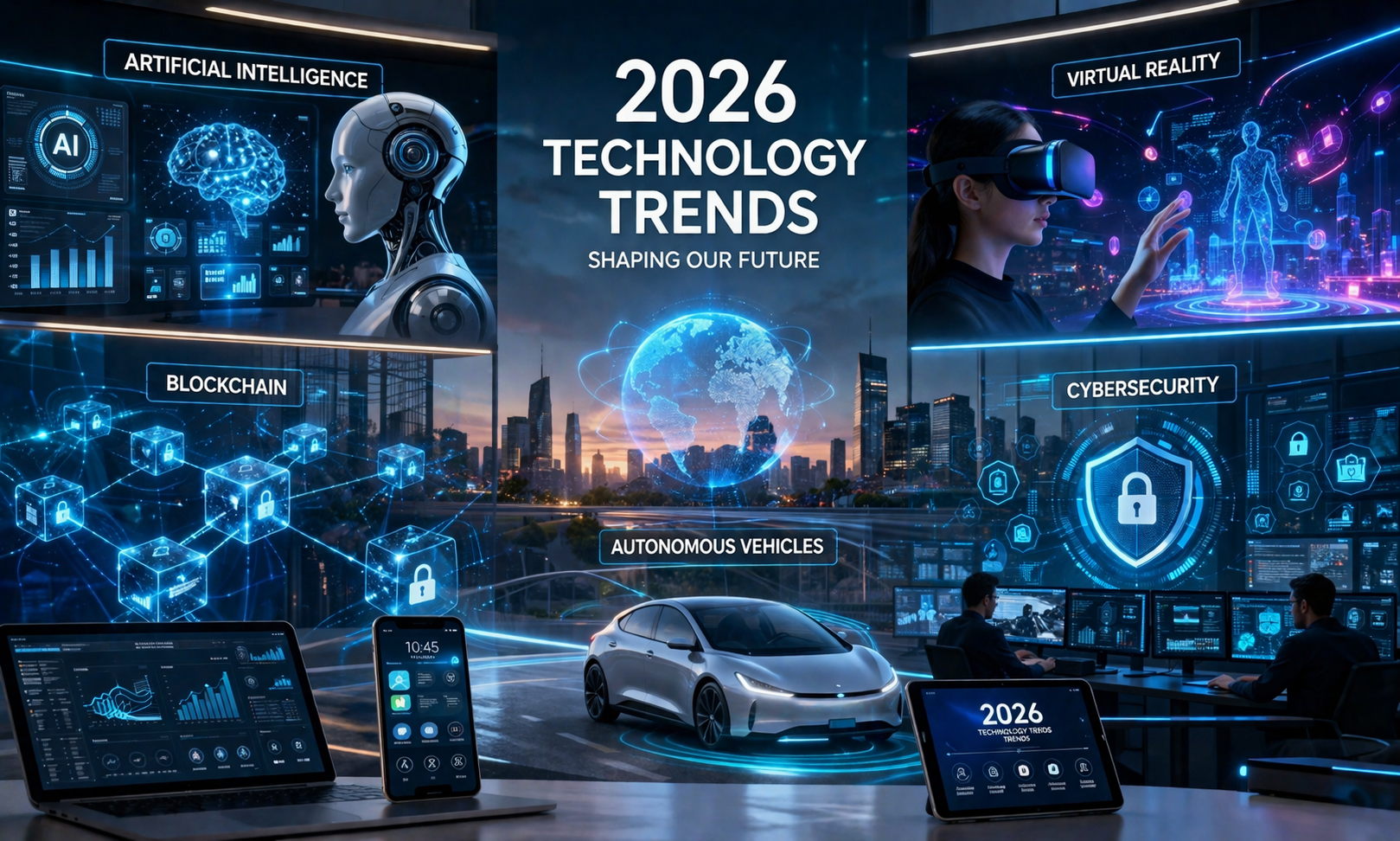
The Evolution of Connectivity
The landscape of how we stay connected is undergoing a radical shift as we move deeper into the decade. By now, the foundational rollout of high-speed cellular networks has matured into something much more stable and ubiquitous. We are seeing a move toward hyper-connectivity where the gap between urban and rural access finally begins to close thanks to satellite-based internet constellations. This transition is one of the most significant aspects of the latest technology trends you should know in 2026 because it democratizes information on a global scale. Business owners and remote workers no longer need to be tethered to major city hubs to maintain a seamless workflow, as high-bandwidth low-latency signals become the standard everywhere.
Furthermore, this era of connectivity is not just about speed but about the density of devices that can operate simultaneously. The integration of massive machine-type communications allows thousands of sensors to operate within a single square kilometer without interference. This is particularly relevant for the development of smart cities and industrial automation where real-time data transmission is non-negotiable. If you are looking to stay competitive, understanding these infrastructure changes is essential. The ability to rely on a constant, unbreakable connection changes how we design software, how we manage logistics, and how we interact with our environment on a daily basis.
The Rise of Generative AI 2.0
Artificial intelligence has moved past the phase of being a simple novelty or a basic chatbot. In 2026, we are witnessing the rise of specialized, agentic AI systems that do not just provide information but execute complex tasks autonomously. This shift represents a core pillar of the latest technology trends you should know in 2026 because it moves us from assistive AI to collaborative AI. These systems can now manage entire project workflows, from initial research and drafting to final deployment and quality assurance, with minimal human intervention. The focus has shifted from large language models to multimodal systems that understand video, audio, and physical space with human-like intuition.
In the professional world, this means that the barrier to entry for creative and technical fields is shifting. Instead of focusing on rote technical skills, the emphasis is now on high-level orchestration and prompt engineering. Businesses are using these advanced models to personalize customer experiences at a scale that was previously impossible. Every interaction a consumer has with a brand can now be uniquely tailored in real-time. Understanding how to leverage these autonomous agents is a vital skill for anyone looking to navigate the modern workforce. This evolution ensures that AI is no longer a separate tool but an integrated layer in every piece of software we use.
Sustainable and Green Technology
Environmental responsibility has transitioned from a corporate talking point to a technical requirement. One of the most impactful latest technology trends you should know in 2026 is the surge in circular economy tech and carbon-aware computing. Developers and engineers are now prioritizing energy efficiency at the code level, ensuring that applications consume the least amount of power possible. This movement is driven by both regulatory pressures and a genuine need to reduce the massive energy footprint of data centers. Innovations in liquid cooling and heat recycling are becoming standard features in the infrastructure that powers our digital lives.
Beyond the software, we are seeing breakthroughs in long-duration energy storage and next-generation battery chemistry. These technologies allow renewable energy sources like wind and solar to provide a steady, reliable base load for the grid. For the average consumer, this manifests as longer-lasting electronic devices and more affordable electric transportation options. As we look at the latest technology trends you should know in 2026, it is clear that “green” and “tech” are no longer separate categories. Every new gadget or service is now evaluated by its environmental impact, making sustainability a primary driver of market value and consumer choice.
Spatial Computing and the New Reality
The way we interact with computers is moving away from flat screens and into the three-dimensional space around us. Spatial computing has finally reached a point of comfort and affordability that makes it practical for daily use. This is among the latest technology trends you should know in 2026 because it changes the fundamental nature of the “office.” Instead of sitting at a desk with two monitors, professionals are using lightweight headsets or smart glasses to project infinite workspaces onto their physical surroundings. This merge of the digital and physical worlds allows for more intuitive data visualization and collaborative design.
In the retail and education sectors, spatial computing is providing immersive experiences that were once the stuff of science fiction. Students can walk through historical recreations or manipulate complex molecular structures with their hands. Shoppers can see exactly how furniture looks in their living room with perfect lighting and scale before making a purchase. As these devices become more socially acceptable and less bulky, they will likely replace the smartphone as our primary interface with the digital world. Keeping an eye on this trend is crucial for anyone involved in design, marketing, or education, as it redefines the boundaries of human-computer interaction.
Quantum Computing Progress
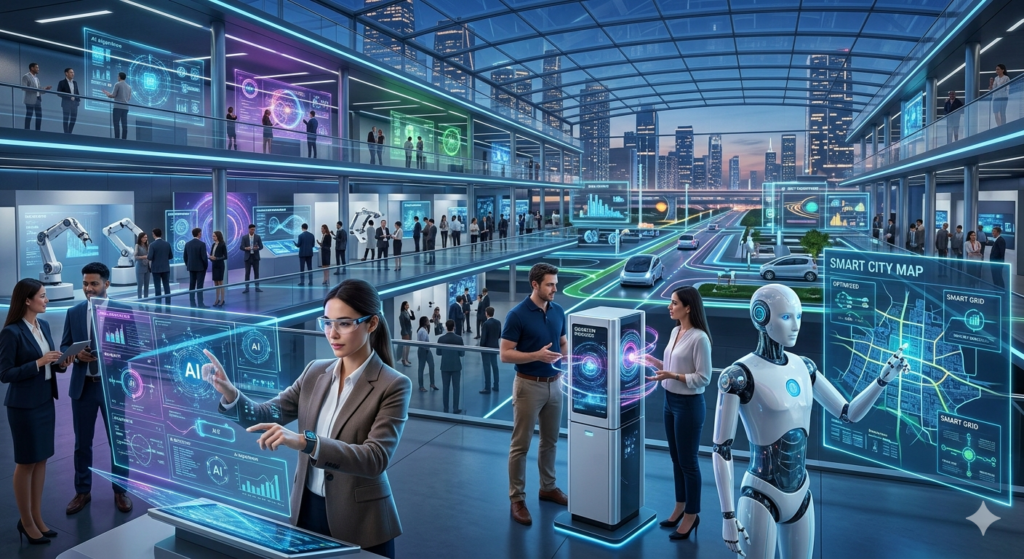
While fully functional universal quantum computers are still a work in progress, 2026 marks a turning point for quantum-ready applications. This is one of the more technical latest technology trends you should know in 2026, but its implications are vast. We are seeing the first real-world uses of quantum sensors and quantum-safe cryptography. Companies are beginning to move their most sensitive data to encryption methods that are resistant to the massive processing power of future quantum machines. This proactive approach to security is becoming a standard practice for banks, government agencies, and healthcare providers.
Furthermore, quantum-inspired algorithms are being used on classical hardware to solve incredibly complex optimization problems. This is particularly visible in the pharmaceutical industry, where the time required to simulate new drug interactions has been slashed from years to weeks. In logistics, these algorithms help in managing the world’s most complicated supply chains with unprecedented efficiency. Even if you are not a scientist, the ripple effects of quantum progress will touch your life through better medicine, more efficient transportation, and more secure personal data. It is a silent revolution happening in the background of our digital architecture.
Personalized Medicine and Biotech
The intersection of data science and biology has birthed a new era of proactive healthcare. Among the latest technology trends you should know in 2026 is the widespread adoption of wearable bio-sensors that do much more than count steps. These devices can now monitor glucose levels, blood pressure, and even early signs of viral infections in real-time. This data is fed into personal health AI that provides actionable advice on diet, sleep, and exercise tailored specifically to your genetic makeup and current physiological state. We are moving away from a one-size-fits-all approach to medicine and toward a model of constant, personalized care.
In the lab, CRISPR and other gene-editing technologies are moving into more advanced clinical trials, offering hope for treating previously incurable hereditary conditions. The ability to “program” biological cells is becoming as refined as programming computer code. This trend is vital because it extends not just the length of human life, but the quality of it. For the general public, this means more time spent in “healthspan” rather than just “lifespan.” As biotech becomes more integrated with digital tech, the privacy and ethics of biological data will become a major topic of discussion, making it a trend you simply cannot ignore.
The Decentralized Web and Digital Identity
The structure of the internet is slowly shifting back toward its decentralized roots. One of the latest technology trends you should know in 2026 is the rise of self-sovereign identity. This technology allows individuals to own and control their personal data rather than handing it over to massive social media corporations. When you log into a service, you no longer share your entire profile; instead, you provide cryptographic proof that you meet the requirements. This significantly reduces the risk of identity theft and gives users much-needed digital autonomy in an age of constant data harvesting.
This shift is also affecting how we consume and verify information. With the rise of deepfakes and AI-generated content, decentralized ledgers are being used to “stamp” the origin and authenticity of digital media. You will be able to see exactly where a news photo came from and whether it has been altered since it was taken. This move toward a “Web3” framework is less about cryptocurrency and more about building a foundation of trust and verifiable truth on the internet. For anyone who uses the web for business or communication, understanding how to manage a digital identity will be as fundamental as having a physical ID card today.
Autonomous Logistics and Robotics
The physical world is becoming as automated as our digital spreadsheets. If you look at the latest technology trends you should know in 2026, you will see that autonomous delivery bots and drones have moved from trial phases to standard operating procedures in many major cities. This is not just about convenience; it is about the massive optimization of the “last mile” of delivery, which has traditionally been the most expensive and least efficient part of the supply chain. These robots are now capable of navigating complex pedestrian environments safely, reducing traffic congestion and lowering carbon emissions.
Inside factories and warehouses, collaborative robots or “cobots” are working alongside humans to perform repetitive or dangerous tasks. These machines are now equipped with advanced tactile sensors and vision systems, allowing them to handle delicate objects with the same precision as a human hand. This trend is reshaping the global labor market, creating a high demand for technicians who can maintain and program these robotic fleets. As robotics technology becomes more affordable, we will see it expand into the service industry, with robots assisting in hospitality, cleaning, and even basic elder care, marking a major shift in how we manage labor-intensive tasks.
Cybersecurity in the Age of AI
As our tools get smarter, so do the threats we face. A critical part of the latest technology trends you should know in 2026 is the emergence of AI-driven cybersecurity. Traditional firewalls and antivirus software are no longer enough to stop sophisticated, automated attacks that can adapt in real-time. Modern security systems now use machine learning to establish a “baseline” of normal behavior for a network and can detect even the slightest anomaly that might indicate a breach. This proactive defense is the only way to stay ahead of cybercriminals who are using the same AI tools to find vulnerabilities.
For the average user, this means that security is becoming more invisible but also more robust. Biometric authentication, such as facial recognition and palm scanning, is replacing the traditional password, which has become the weakest link in digital safety. However, this also means that the “arms race” between hackers and security experts is accelerating. Staying informed about the latest technology trends you should know in 2026 involves understanding that security is no longer a “set it and forget it” task. It is a continuous process of updates, vigilance, and adopting new standards as they emerge to protect your digital and financial life.
The Human-Machine Collaboration Era
The final and perhaps most important of the latest technology trends you should know in 2026 is the shift in our relationship with technology from a tool-user dynamic to a partnership. We are no longer just “using” computers; we are co-creating with them. Whether it is a doctor using AI to diagnose a rare disease or an architect using generative design to create a more stable building, the best results now come from the combination of human intuition and machine processing power. This synergy is defining the new standard of excellence in every professional field across the globe.
To thrive in 2026, one must cultivate “digital fluency,” which is the ability to work seamlessly across different technological platforms. This doesn’t mean you need to be a programmer, but you do need to understand the logic and limitations of the systems you interact with. As tech becomes more human-centric, the most successful individuals will be those who can combine their unique human qualities—like empathy, ethics, and critical thinking—with the immense capabilities of modern technology. This guide to the latest technology trends you should know in 2026 serves as a roadmap for that integration, helping you turn these rapid changes into personal and professional opportunities.
FAQs
What are the most impactful latest technology trends you should know in 2026 for my career?
The most impactful trends for your career are likely the rise of agentic AI and spatial computing. Learning how to collaborate with autonomous AI agents and understanding 3D digital environments will give you a significant edge in the job market across almost any industry.
Is 2026 the year that AI takes over most jobs?
No, 2026 is seen as the year of “augmentation” rather than total replacement. While some repetitive tasks are being fully automated, the demand for humans who can manage, oversee, and creatively direct AI systems is higher than ever before.
Why is green tech included in the latest technology trends you should know in 2026?
Green tech is included because it is no longer optional; it is a fundamental driver of innovation. From energy-efficient coding to new battery technologies, sustainability is now a core requirement for any new product to be successful and legally compliant.
Conclusion
Navigating the latest technology trends you should know in 2026 requires a balance of curiosity and adaptability. From the way we connect through global satellite networks to the personalized nature of AI-driven healthcare, the changes are profound and far-reaching. By staying informed about these developments, you can position yourself to take advantage of the efficiencies they offer while guarding against the risks. Technology is no longer just a sector of the economy; it is the fabric of our daily lives. Embrace these trends as tools for growth, and you will find that the future of 2026 is full of unprecedented possibilities for those ready to lead.