

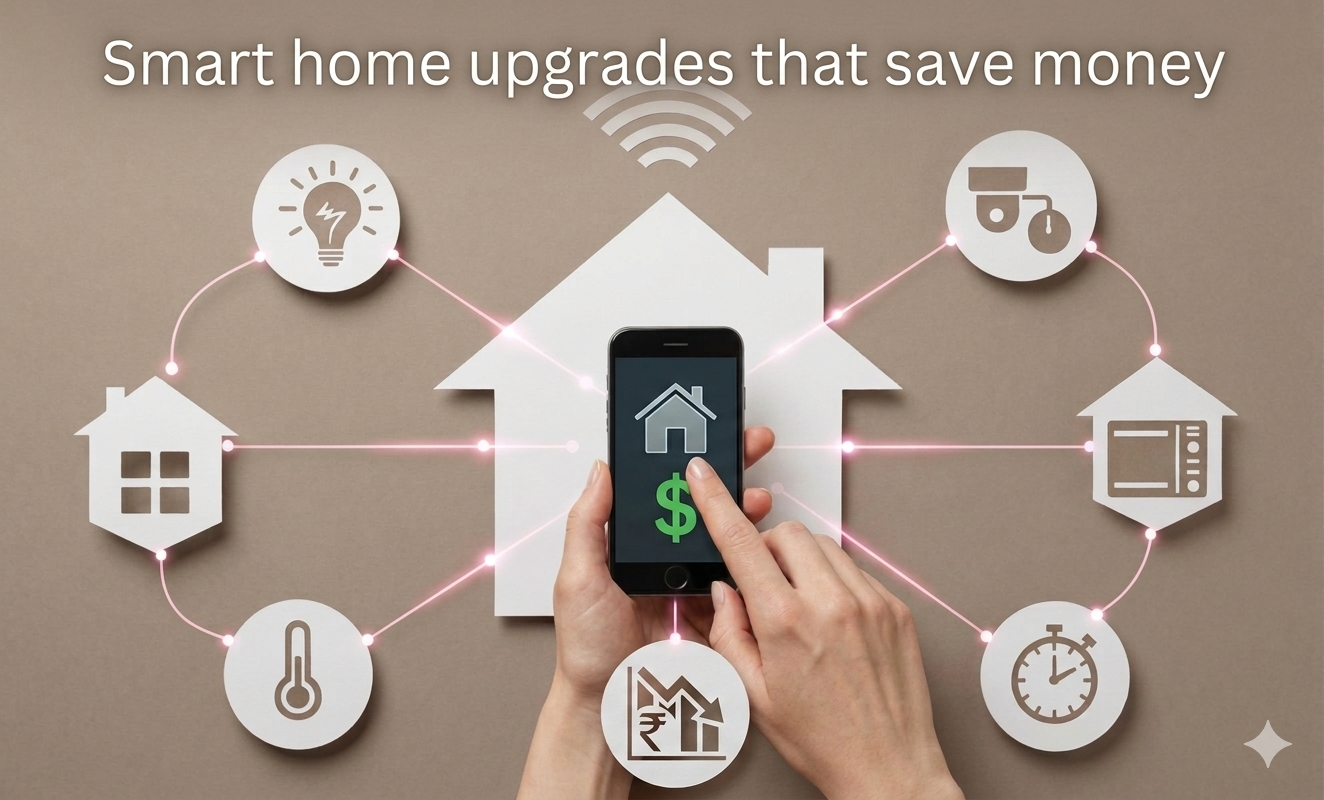
Technology has transformed our homes from static structures into intelligent environments that adapt to our needs, enhance comfort, and remarkably reduce ongoing expenses. While smart home devices once seemed like expensive luxuries reserved for tech enthusiasts, today’s market offers accessible options that deliver genuine financial returns through reduced energy consumption, lower maintenance costs, and improved efficiency. Understanding which smart home upgrades that save money offer the best return on investment helps you prioritize improvements that pay for themselves while making your daily life easier and more comfortable.
The key distinction separating worthwhile smart home investments from frivolous gadgets is measurable cost reduction over time. Some devices recoup their purchase price within months through energy savings, while others prevent expensive repairs or extend the life of major home systems. Across the USA, UK, and Canada, homeowners are discovering that strategic smart home upgrades reduce utility bills by twenty to forty percent annually while providing convenience benefits that traditional systems cannot match. This guide explores the most financially rewarding smart home technologies available today, focusing on practical devices that deliver genuine savings rather than impressive features that provide minimal economic benefit.
Smart Thermostats Deliver Immediate Energy Savings
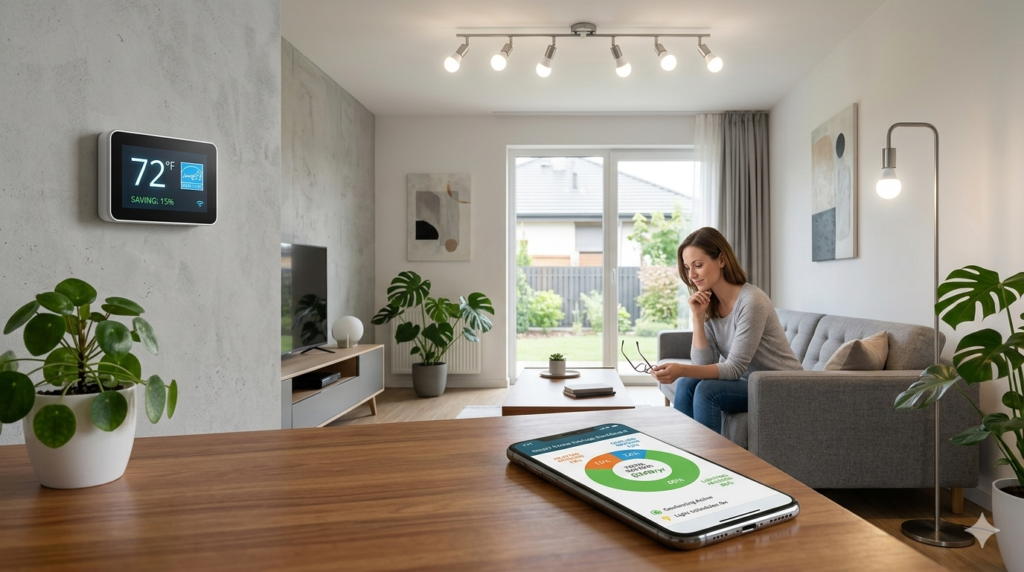
Among all smart home upgrades that save money, intelligent thermostats consistently rank as the highest-return investment most homeowners can make. These devices replace standard thermostats with connected versions that learn your schedule, adjust temperatures automatically, and optimize heating and cooling efficiency based on occupancy, weather conditions, and your preferences. Leading models from Nest, Ecobee, and Honeywell typically cost between one hundred fifty and two hundred fifty dollars but reduce heating and cooling expenses by fifteen to twenty-three percent annually according to independent studies.
Smart thermostats achieve these savings through multiple mechanisms that traditional programmable thermostats cannot match. They detect when you leave home and automatically adjust temperatures to energy-saving levels rather than heating or cooling an empty house. Geofencing features use your smartphone location to resume comfortable temperatures before you arrive home, eliminating the waste of maintaining unnecessary comfort levels all day. Over time, machine learning algorithms identify your patterns and preferences, creating optimized schedules without requiring manual programming that most people never properly configure with conventional programmable thermostats. Remote control through smartphone apps lets you adjust temperatures from anywhere, preventing energy waste when plans change unexpectedly. For a household spending two hundred dollars monthly on heating and cooling, a smart thermostat saving twenty percent means forty dollars monthly savings or four hundred eighty dollars annually, recovering the device cost in just a few months while continuing to deliver savings for years.
LED Smart Bulbs Reduce Lighting Costs Dramatically
Lighting represents another area where smart home upgrades that save money provide quick returns and ongoing benefits. Smart LED bulbs combine the energy efficiency of LED technology with connectivity features that further reduce consumption through automated control and dimming capabilities. While standard LED bulbs already use seventy-five percent less energy than incandescent bulbs, smart versions add scheduling, motion detection, and presence awareness that prevent lights from running unnecessarily.
A typical smart LED bulb costs fifteen to thirty dollars compared to two to five dollars for standard LEDs, making the smart premium about ten to twenty-five dollars per bulb. However, the automation features eliminate common waste scenarios like forgetting to turn off lights when leaving rooms or going to sleep, lights left on in unoccupied spaces, and leaving outdoor lights running during daylight hours. Setting schedules so lights turn off automatically at bedtime, configuring motion sensors so hallway and bathroom lights activate only when needed, and creating away-from-home routines that turn off all lights when everyone leaves can reduce lighting energy consumption by an additional thirty to fifty percent beyond standard LED savings. For homes with twenty to thirty light fixtures, replacing the most-used bulbs with smart versions while using standard LEDs elsewhere provides optimal cost-benefit balance. Integration with voice assistants and smartphone apps means lights turn off with simple voice commands or single taps rather than walking through the house checking each room, making energy-saving behavior effortless rather than tedious.
Smart Plugs Control Energy Vampires Cost-Effectively
Understanding smart home upgrades that save money requires recognizing how much energy household devices consume even when turned off. This phantom power drain or vampire energy accounts for five to ten percent of residential electricity use, costing the average household one hundred to two hundred dollars annually. Smart plugs offer an inexpensive solution to this waste, costing just ten to twenty-five dollars each while enabling complete power shutoff to devices and providing usage monitoring that reveals consumption patterns.
Electronics like televisions, game consoles, cable boxes, computers, printers, and kitchen appliances draw power continuously when plugged in, even during off or standby modes. Smart plugs insert between wall outlets and device plugs, allowing you to cut power completely through schedules or manual control. Setting schedules that turn off entertainment centers, home office equipment, and kitchen appliances during typical sleep hours eliminates eight hours of daily phantom drain without requiring any behavior changes. Energy monitoring features built into many smart plugs reveal exactly how much power each connected device consumes, helping you identify the worst offenders and prioritize where to deploy your smart plugs for maximum savings. For devices used seasonally like window air conditioners, space heaters, or holiday decorations, smart plugs prevent year-round phantom drain during months when equipment sits unused. The combination of low cost, easy installation requiring no technical skills or electrical work, and measurable energy reduction makes smart plugs among the most accessible smart home upgrades that save money for any household.
Water Leak Detectors Prevent Catastrophic Damage
While most smart home upgrades that save money reduce ongoing utility costs, some provide value by preventing expensive disasters that could cost thousands in repairs. Smart water leak detectors monitor for moisture in vulnerable areas and send instant smartphone alerts when leaks occur, enabling you to shut off water and address problems before minor drips become major floods. These devices cost thirty to eighty dollars each, yet a single prevented leak pays for an entire home’s worth of sensors.
Water damage ranks among the most expensive home insurance claims, with average costs exceeding ten thousand dollars for significant incidents. Slow leaks from water heaters, washing machine hoses, dishwasher connections, toilet supply lines, and under-sink plumbing can continue undetected for days or weeks when they occur in basements, utility rooms, or unoccupied spaces. By the time visible damage appears, substantial harm has occurred to flooring, walls, and possessions. Smart leak detectors placed near water heaters, under sinks, behind toilets, near washing machines, and in basements provide early warning that stops damage while it’s still manageable. Advanced systems integrate with smart water shut-off valves that automatically stop water flow throughout your home when leaks are detected, providing protection even when you’re away and cannot respond to alerts. Beyond preventing catastrophic damage, these detectors encourage addressing small leaks promptly rather than ignoring slow drips that waste water and increase utility bills while gradually worsening until major repairs become necessary.
Smart Power Strips Manage Multiple Devices Efficiently
Expanding on the concept of smart plugs, smart power strips represent particularly effective smart home upgrades that save money in home offices, entertainment centers, and any area with multiple connected devices. These strips cost forty to eighty dollars but control six to twelve outlets simultaneously while offering features like master-controlled outlets, scheduled power management, and individual outlet control that maximize energy savings across multiple devices.
The master-controlled outlet feature proves especially valuable in entertainment centers and home offices. When you turn off the master device like a television or computer, the strip automatically cuts power to peripheral devices like cable boxes, game consoles, speakers, monitors, and printers that don’t need to remain on when the primary device is off. This coordinated shutdown eliminates phantom drain from multiple devices simultaneously. Individual outlet scheduling allows different power management for each connected device, such as keeping a modem and router powered continuously while cutting power to other outlets during specific hours. Energy monitoring features on advanced models track total consumption and per-outlet usage, providing detailed insights into your energy consumption patterns. For households with home offices, entertainment centers, and multiple electronics, two to four strategic smart power strips typically provide better economics than purchasing individual smart plugs for every device while simplifying management through centralized control.
Smart Irrigation Controllers Slash Water Bills
Outdoor water use represents a significant expense for homeowners with lawns and gardens, making smart irrigation controllers valuable smart home upgrades that save money in households with traditional sprinkler systems. These devices replace standard sprinkler timers with weather-aware systems that adjust watering schedules based on rainfall, temperature, humidity, and seasonal changes, reducing water consumption by twenty to fifty percent while maintaining healthier landscapes.
Traditional sprinkler timers run on fixed schedules regardless of weather conditions, often watering during or immediately after rainfall and maintaining identical schedules through varying seasonal water needs. This approach wastes substantial water and money while potentially overwatering that damages plants and encourages disease. Smart irrigation controllers from companies like Rachio and Rain Bird connect to local weather data and adjust watering automatically. When rain is forecast or has recently occurred, the system skips scheduled watering. During hot, dry periods, it extends watering duration. Seasonal adjustments reduce watering in spring and fall when plants need less water, then increase it during summer heat. Most systems also prevent watering during windy conditions when much of the water blows away rather than reaching plants. For households spending one hundred to three hundred dollars monthly on water during irrigation season, a smart controller costing one hundred fifty to three hundred dollars often pays for itself in a single season while continuing to deliver savings and better lawn health for years. Many water utilities offer rebates on smart irrigation controllers, further improving the economic return.
Smart Window Blinds Optimize Temperature Control
Automated window treatments might seem like luxurious smart home upgrades that save money through indirect rather than direct mechanisms. Smart blinds cost significantly more than manual versions, with motorized options ranging from one hundred fifty to five hundred dollars per window, yet they deliver meaningful energy savings in homes with large windows or sun exposure that impacts heating and cooling costs substantially.
Windows represent the least insulated part of most homes, and direct sunlight through glass can raise room temperatures dramatically during summer while heat escapes through windows during winter. Smart blinds programmed to close during peak sun exposure in summer reduce cooling costs by blocking solar heat gain before it enters your home. During winter, opening blinds during sunny periods captures passive solar heating, then closing them at night provides additional insulation that reduces heat loss. These automated adjustments happen whether you’re home or away, providing consistent optimization that manual blinds rarely achieve since people forget or cannot predict optimal timing. Integration with smart thermostats creates coordinated climate control where blinds and HVAC systems work together rather than fighting each other. The energy savings vary dramatically based on window size, orientation, and local climate, but homes with significant south and west-facing windows in hot climates can reduce cooling costs by ten to twenty percent. Starting with blinds for the most problematic windows rather than every window in your home provides positive returns without requiring enormous upfront investment.
Energy Monitoring Systems Identify Savings Opportunities
Whole-home energy monitoring systems function differently than other smart home upgrades that save money by not directly controlling devices but rather providing detailed consumption data that enables informed decisions about where to focus efficiency improvements. These systems cost one hundred fifty to three hundred dollars and install in your electrical panel, tracking energy usage throughout your home in real time and identifying patterns, anomalies, and opportunities for reduction.
Without detailed monitoring, most homeowners have only vague ideas about which appliances, systems, and behaviors consume the most energy. A whole-home monitor shows exactly when consumption spikes occur, how much various activities cost, and which devices are the biggest consumers. This visibility reveals unexpected findings like discovering that an old refrigerator, malfunctioning HVAC system, or forgotten appliance consumes far more than it should. The data empowers targeted upgrades and behavior changes that deliver maximum savings rather than guessing what might help. Many systems send alerts when consumption exceeds normal patterns, catching problems like water heaters stuck in heating mode, HVAC systems running when windows are open, or devices accidentally left on. Over time, gamification features showing daily and monthly energy goals encourage conservation behaviors that become habitual. While the monitoring system itself doesn’t directly save energy, the insights it provides typically enable households to identify savings opportunities that reduce consumption by ten to fifteen percent through equipment upgrades, behavior changes, and problem detection that wouldn’t occur without detailed data.
Smart Smoke and Carbon Monoxide Detectors Add Safety and Convenience
Safety devices might not seem like obvious smart home upgrades that save money, yet smart smoke and carbon monoxide detectors provide financial benefits beyond their primary life-saving functions. These devices cost eighty to one hundred twenty dollars compared to twenty to forty dollars for standard detectors, but many home insurance companies offer premium discounts for homes with connected safety systems, immediately offsetting some of the cost difference.
Beyond potential insurance savings, smart detectors provide features that prevent costly false alarms and emergency responses. They distinguish between different threat levels and can send smartphone alerts for minor smoke from cooking rather than immediately triggering piercing alarms, giving you opportunity to address the situation before neighbors call fire departments or automatic alarm monitoring services dispatch emergency responders. Some municipalities charge fees for false alarm calls, making this discrimination valuable. Smart detectors also eliminate the middle-of-the-night chirping from low batteries by sending smartphone notifications weeks before batteries reach critical levels, allowing convenient daytime replacement rather than emergency three AM battery changes. Interconnected systems ensure alarms throughout your home sound simultaneously regardless of where smoke is detected, improving safety while the voice announcements identifying the room with the problem help you respond appropriately. Self-testing features automatically verify detector function monthly and alert you to any malfunctions, ensuring your safety system actually works when needed rather than discovering non-functional detectors during emergencies.
FAQs
Do smart home upgrades really save enough money to justify their higher costs?
Yes, strategic smart home investments typically recover their costs through energy savings within six months to three years depending on the device. Smart thermostats often pay for themselves within one heating season, while devices like leak detectors provide value through prevented damage rather than monthly savings. Focus on devices that address your home’s specific energy waste areas for best returns.
Which smart home upgrade provides the fastest return on investment?
Smart thermostats consistently deliver the quickest payback, often recovering their cost within three to six months through heating and cooling savings. Smart plugs and power strips also provide rapid returns given their low cost and immediate reduction of phantom energy drain. The fastest payback depends on your current energy waste patterns and usage.
Can I install money-saving smart home devices myself or do I need professionals?
Most smart home upgrades require no professional installation. Smart thermostats, plugs, bulbs, leak detectors, and power strips are designed for homeowner installation with basic tools. Smart thermostats are the most complex but typically take thirty to sixty minutes following included instructions. Only whole-home energy monitors and smart electrical panels usually require electrician installation.
Will smart home devices work with my existing home and systems?
Modern smart devices are designed for retrofit installation in existing homes. Smart thermostats work with most forced-air heating and cooling systems, though some configurations like multi-stage systems or heat pumps may require specific compatible models. Smart plugs, bulbs, and sensors work universally. Check compatibility before purchasing, but most homes can accommodate all standard smart upgrades.
How much can I realistically save annually with comprehensive smart home upgrades?
Households implementing comprehensive smart upgrades including thermostats, smart lighting, leak detection, and energy monitoring typically reduce total energy costs by twenty to thirty-five percent annually. For average homes spending two thousand to three thousand dollars yearly on utilities, this represents six hundred to one thousand dollars in annual savings after the devices pay for themselves, continuing year after year.
CONCLUSION
Investing in smart home upgrades that save money represents one of the most practical applications of home technology, delivering measurable financial returns while improving comfort, convenience, and safety. The devices outlined in this guide focus specifically on technologies that pay for themselves through reduced utility bills, prevented damage, and improved efficiency rather than gadgets that merely add cool features without economic justification. From smart thermostats that optimize heating and cooling to leak detectors that prevent catastrophic water damage, each upgrade addresses specific sources of waste and expense that drain household budgets unnecessarily.
The beauty of smart home technology lies in its accessibility to homeowners at all technical skill levels and budgets. You don’t need to transform your entire home overnight or invest thousands of dollars simultaneously. Starting with a single high-impact upgrade like a smart thermostat demonstrates the potential savings and builds your confidence for additional improvements. As each device pays for itself through reduced costs, those savings can fund the next upgrade, creating a self-financing progression toward a more efficient, intelligent home that costs less to operate while providing superior comfort and control.
The financial case for smart home upgrades that save money grows stronger each year as energy costs rise and device prices fall. What once required significant upfront investment now delivers positive returns within months, and the ongoing savings compound year after year. Beyond the pure economics, these technologies provide peace of mind through better monitoring and control, environmental benefits through reduced consumption, and the satisfaction of using your home’s resources intelligently rather than wastefully. Whether you’re motivated primarily by financial savings, environmental responsibility, or technological convenience, strategic smart home upgrades deliver meaningful value that traditional systems simply cannot match.